
We are processing your request.
Please, don’t close or refresh the page.
The Florida Aquarium in Tampa

Florida Aquarium Animals: Sharks, Penguins and More

Sand tiger sharks in a 500,000-gallon reef, alligators and otters under a glass dome, a cold-water touch pool and African penguins. Where to find each animal on your visit.

The Florida Aquarium opened in March 1995 on Tampa's Channelside waterfront and today cares for more than 7,000 aquatic plants and animals across 250,000 square feet. The route takes you from Florida's freshwater wetlands out to Atlantic and Indo-Pacific reefs, with sharks, sea turtles, rays, otters, jellies and a cold-water touch pool along the way. This guide goes habitat by habitat so you know which animals to look for and where, covers the African penguins and the new habitats being built, and lists the animal encounters you can add. For the practical side of the day, see our Florida Aquarium visitor guide.

4.6
(368)

The Florida Aquarium: Entry Ticket

Highlights

Experience eleven distinct ecosystems showcasing species from Florida and global waters.

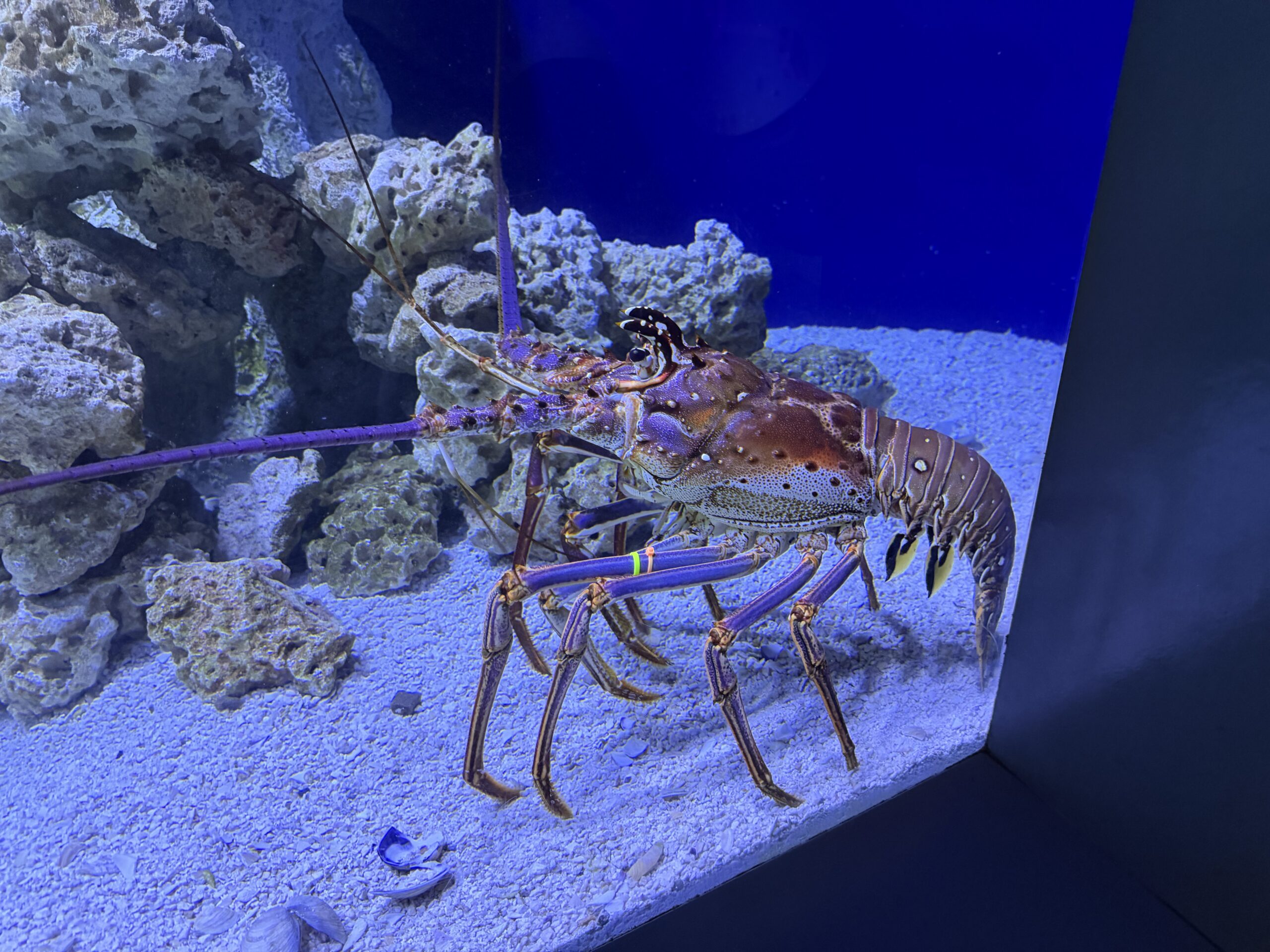
See over 670 animal species including seahorses, sharks, sea turtles, and a massive Pacific octopus.

Enjoy immersive exhibits such as a domed mangrove forest and the thrilling Shark Reef.

Interact with marine life in touch pools featuring stingrays and jellyfish.

Support marine conservation as your visit funds animal care, education, and coral reef research.
4.6
(63)

Tampa ZooQuarium: ZooTampa & Florida Aquarium Combo Ticket

Florida Aquarium animals: key facts

More than 7,000 aquatic plants and animals live at the Aquarium, which opened in 1995.

The Coral Reefs habitat is the largest, with over 500,000 gallons and sand tiger sharks.

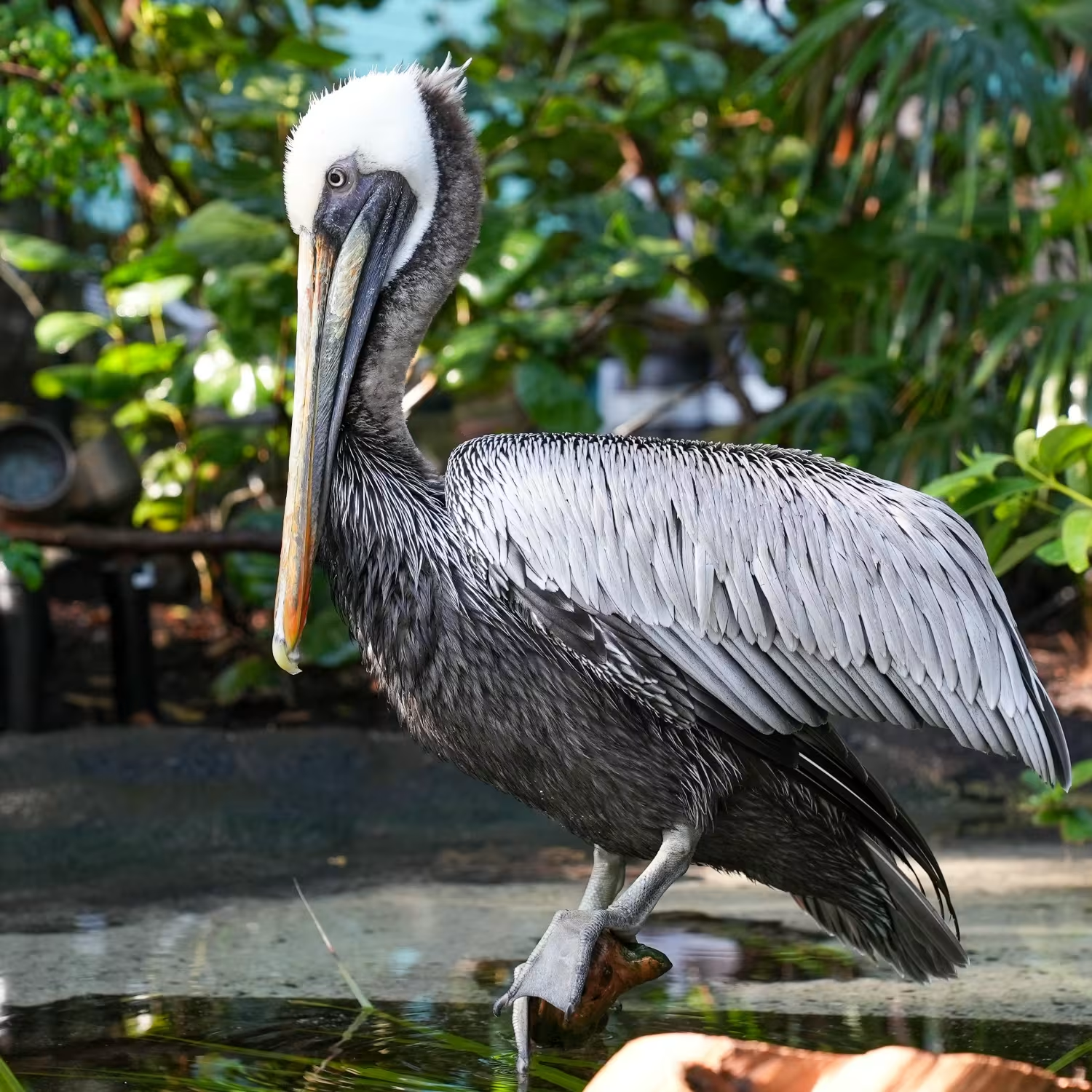
The Wetlands of Florida sit under an 80-foot glass dome with an alligator, river otters and wading birds.

The Tide Pool, opened in August 2025, holds more than 200 cold-water invertebrates you can touch.

The Aquarium cares for a colony of African penguins, a critically endangered species.

It is accredited by the Association of Zoos and Aquariums.

Wetlands of Florida: alligators, otters and spoonbills
The Florida Aquarium, Tampa

Under an 80-foot-tall glass dome, a trail winds through mangroves that have been growing at the Aquarium for 30 years. This is Florida's freshwater and brackish world: turtles bask on logs, freshwater fish move through the shallows and birds fly overhead.

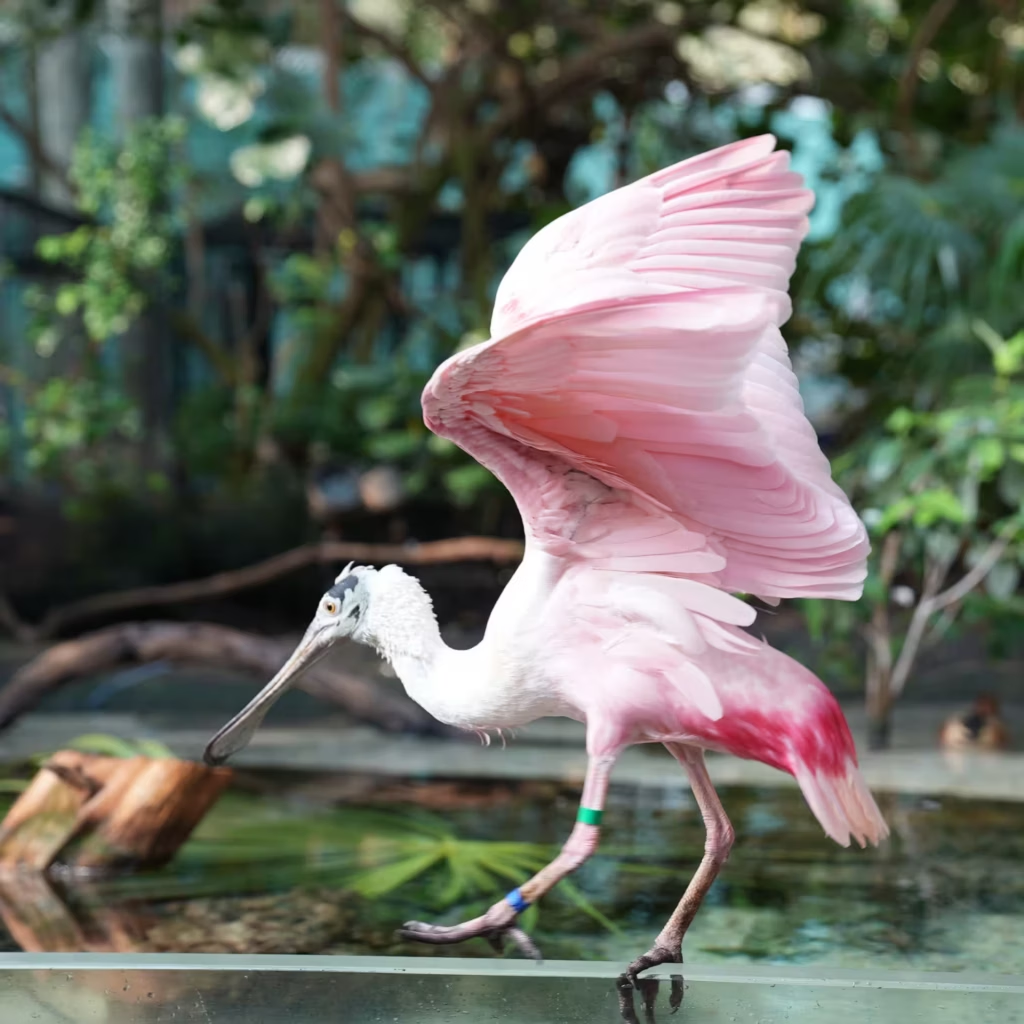
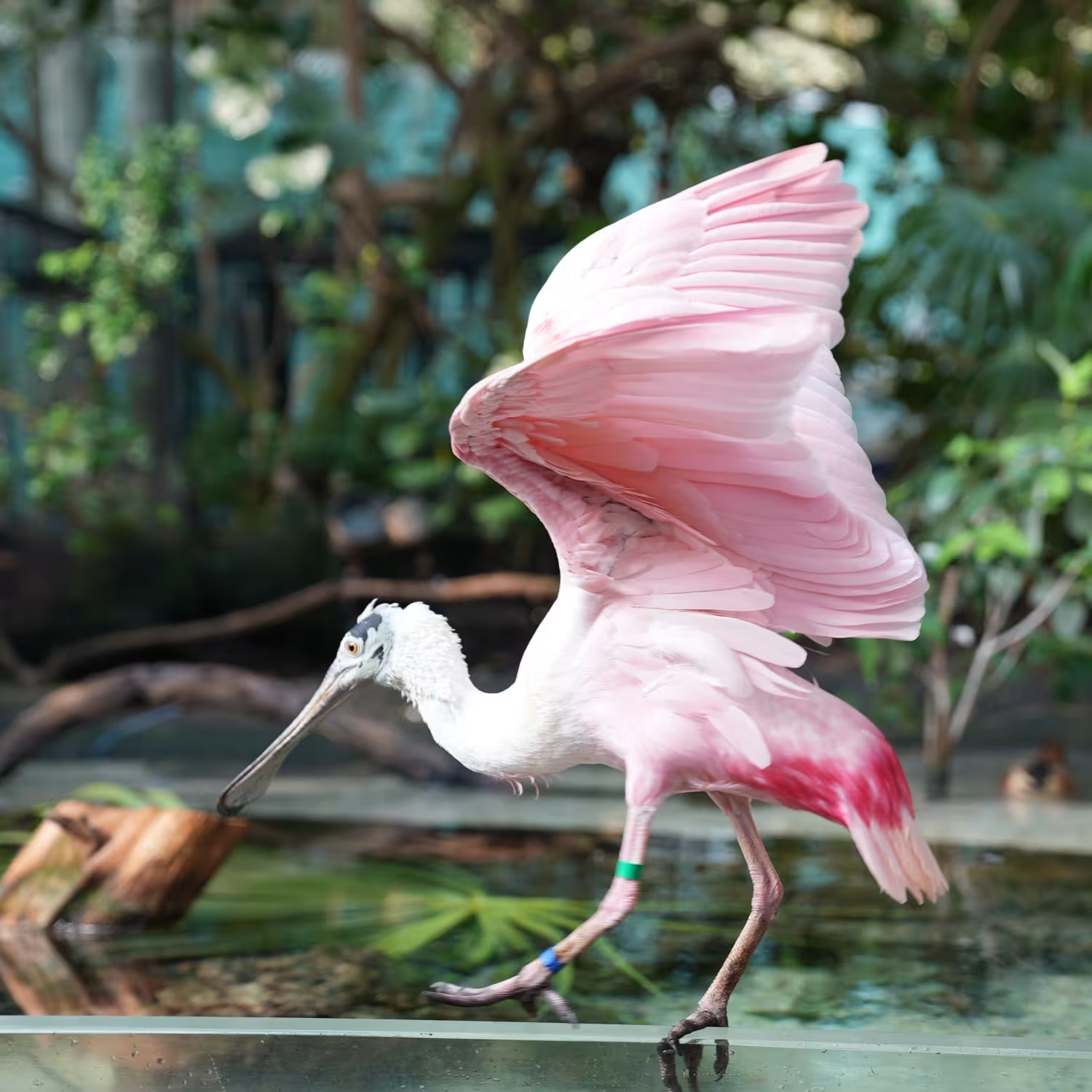
Look for the alligator along the trail and the river otters, which can stay underwater for up to eight minutes. Among the birds, the roseate spoonbill is easy to spot with its pink feathers and flat, wide bill, and the American white ibis probes the mud with a curved pink bill for crabs, crayfish and frogs. From Lemur Lookout, home to one of the Aquarium's most unexpected residents, you get a bird's-eye view over the whole wetland.

Coral Reefs: sand tiger sharks and stingrays
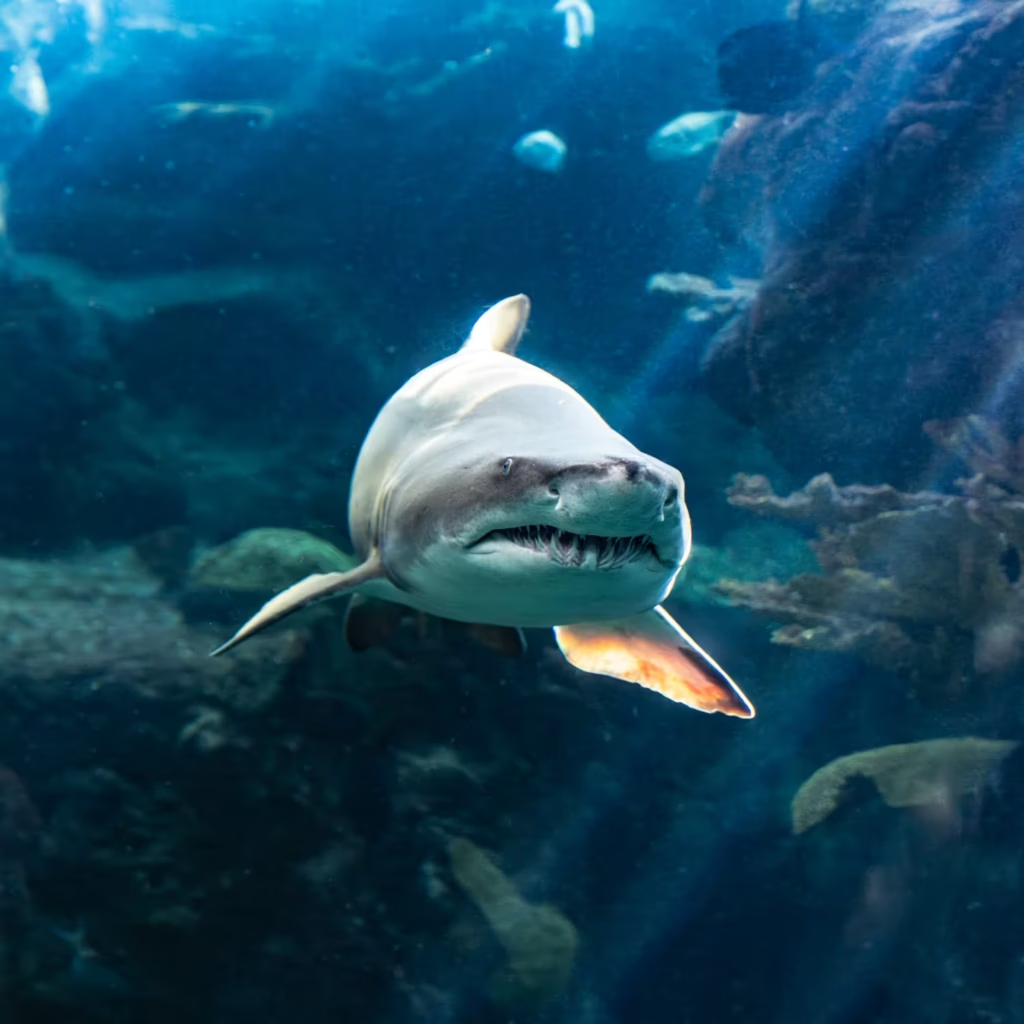
Florida Aquarium coral reef habitat

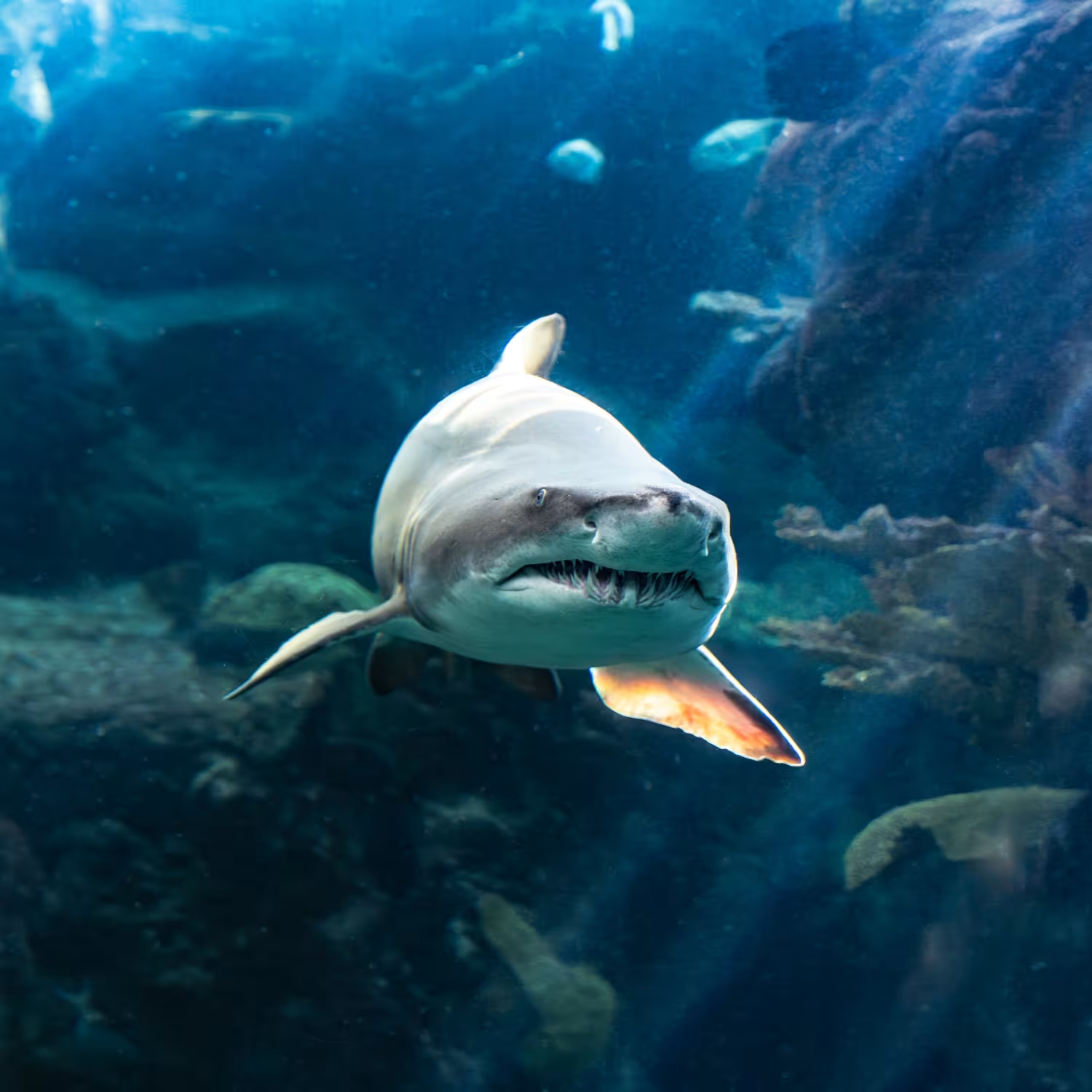
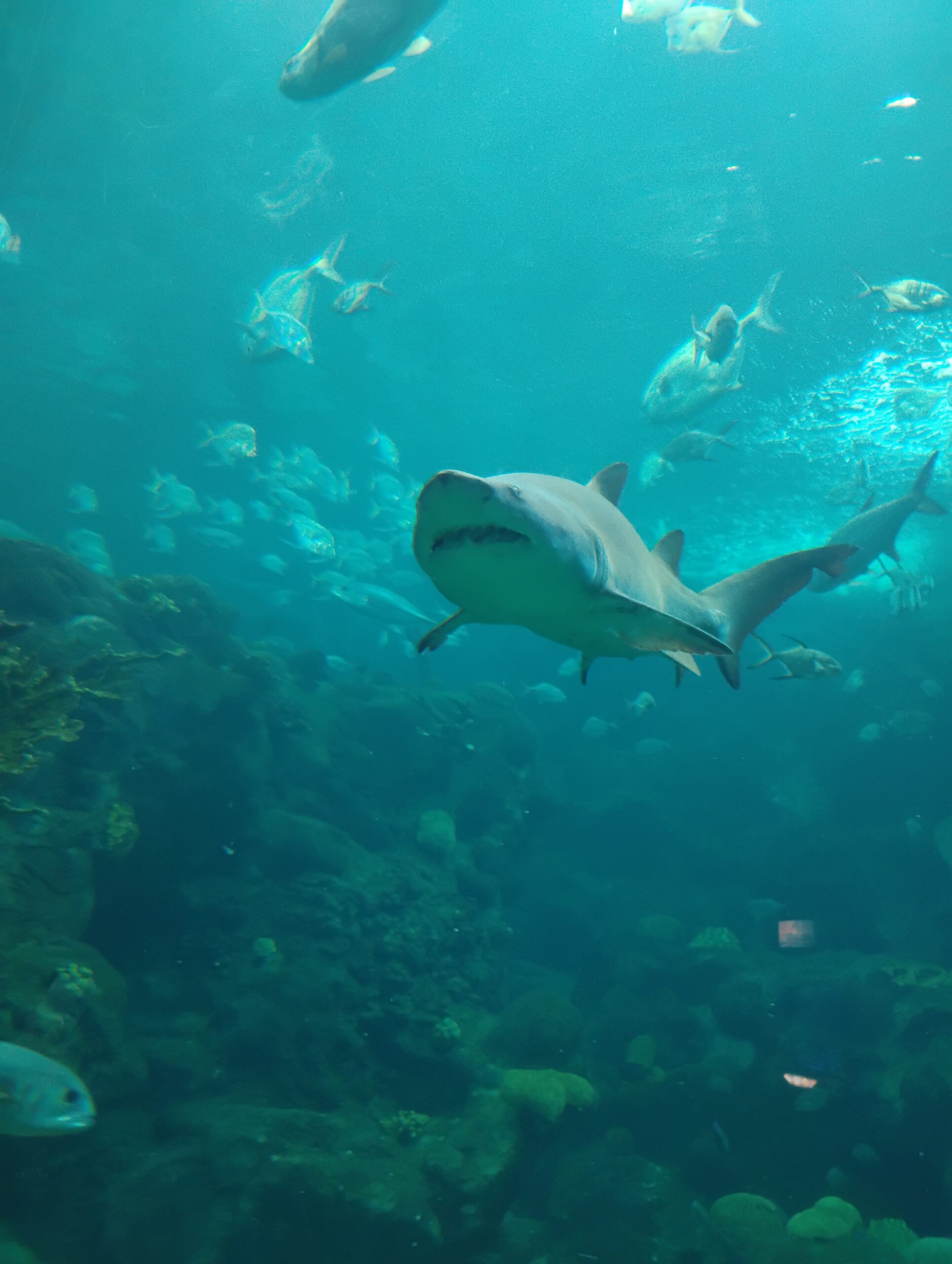
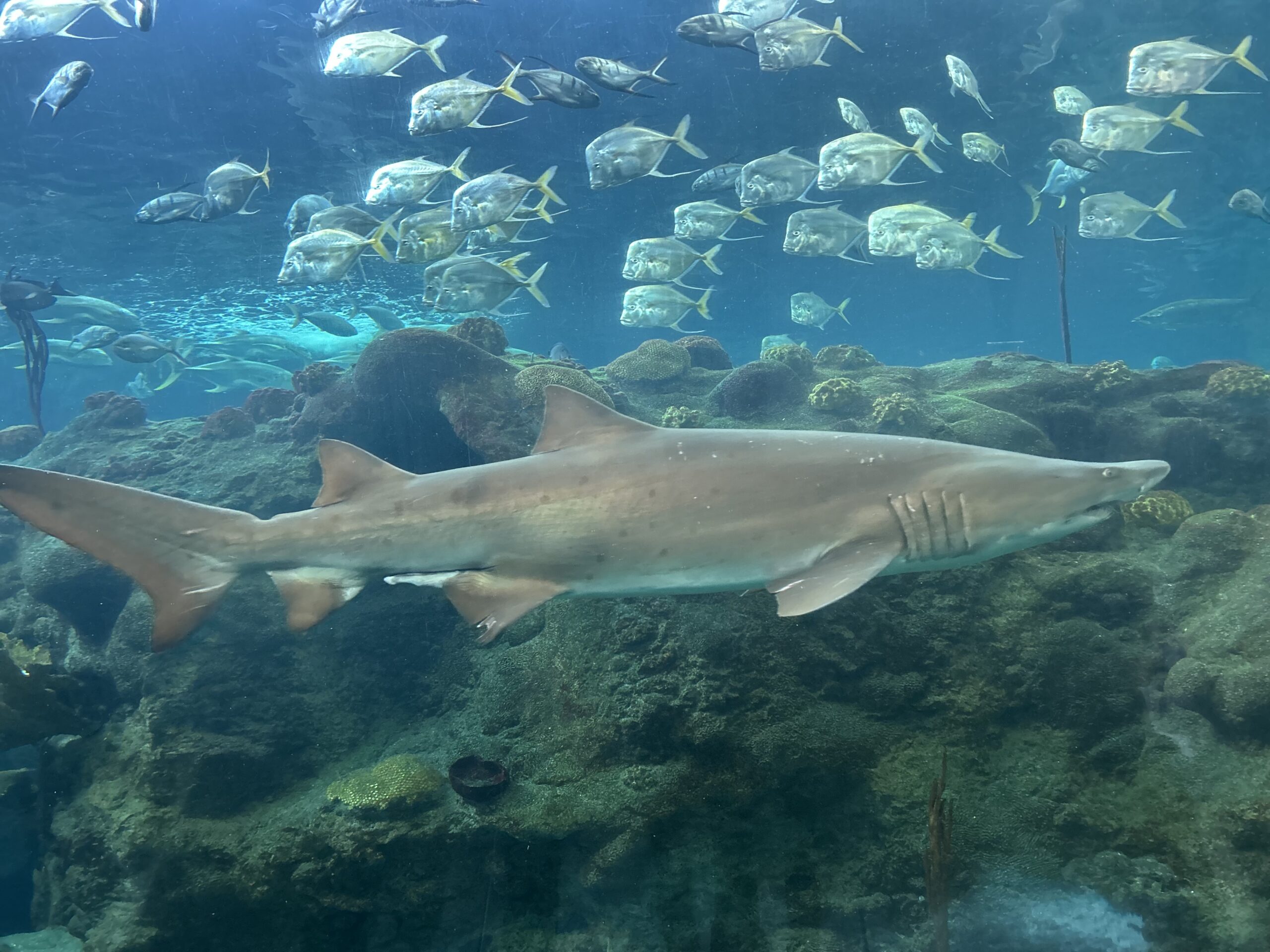
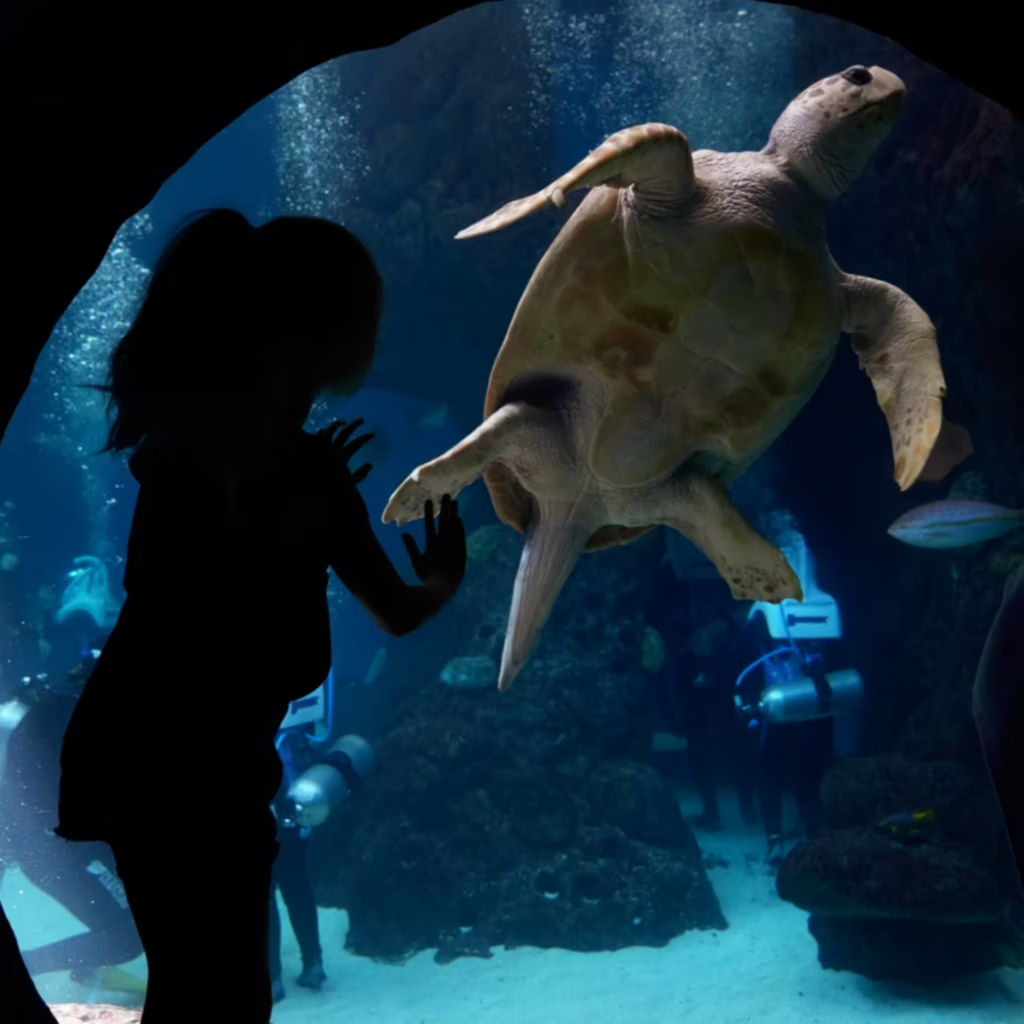
This is the Aquarium's biggest habitat and the one most visitors remember. It holds over 500,000 gallons of water behind a panoramic window, and it is where you will find the sharks. Sand tiger sharks, added in 2011, cruise the reef with their bulky bodies, long snouts and rows of sharp teeth.

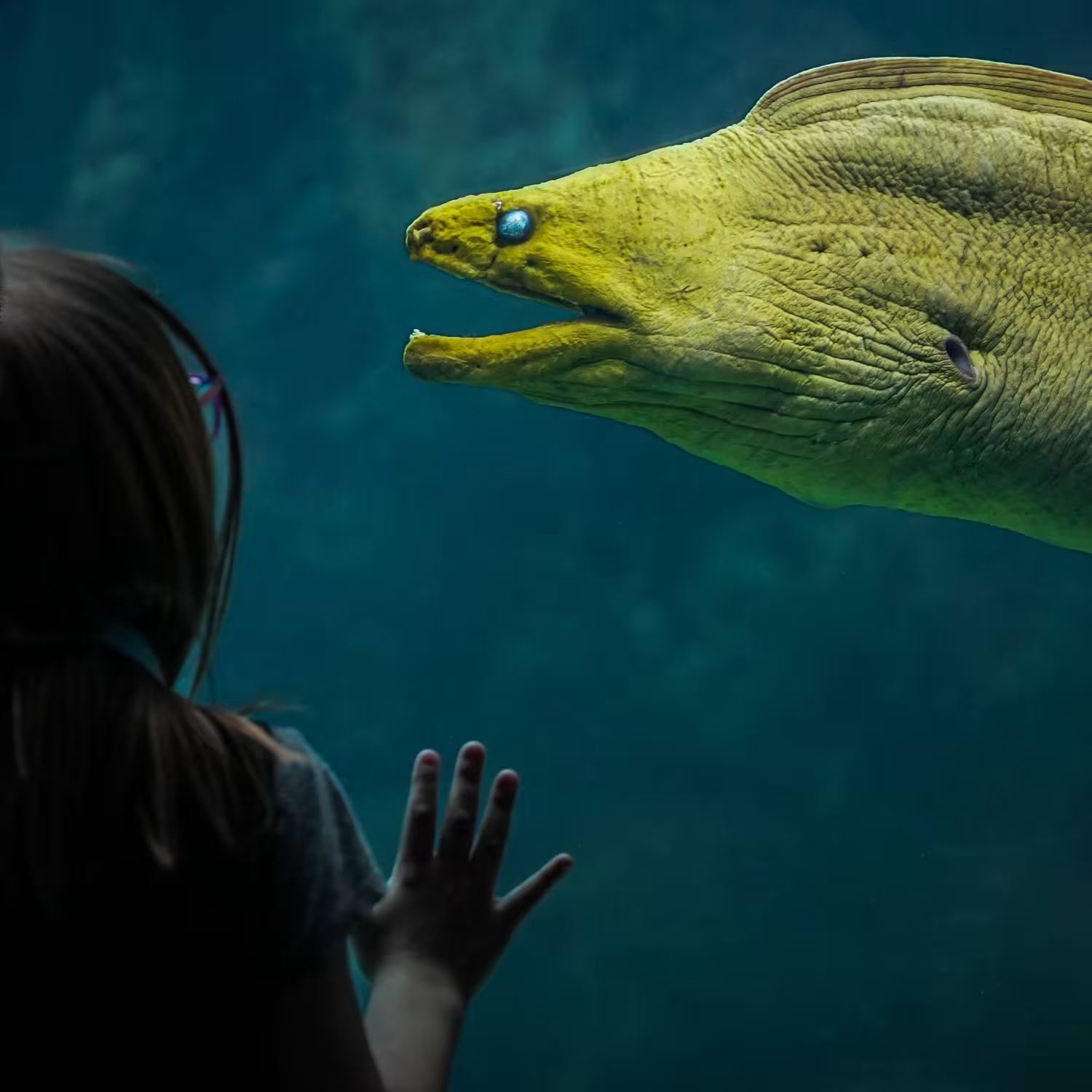
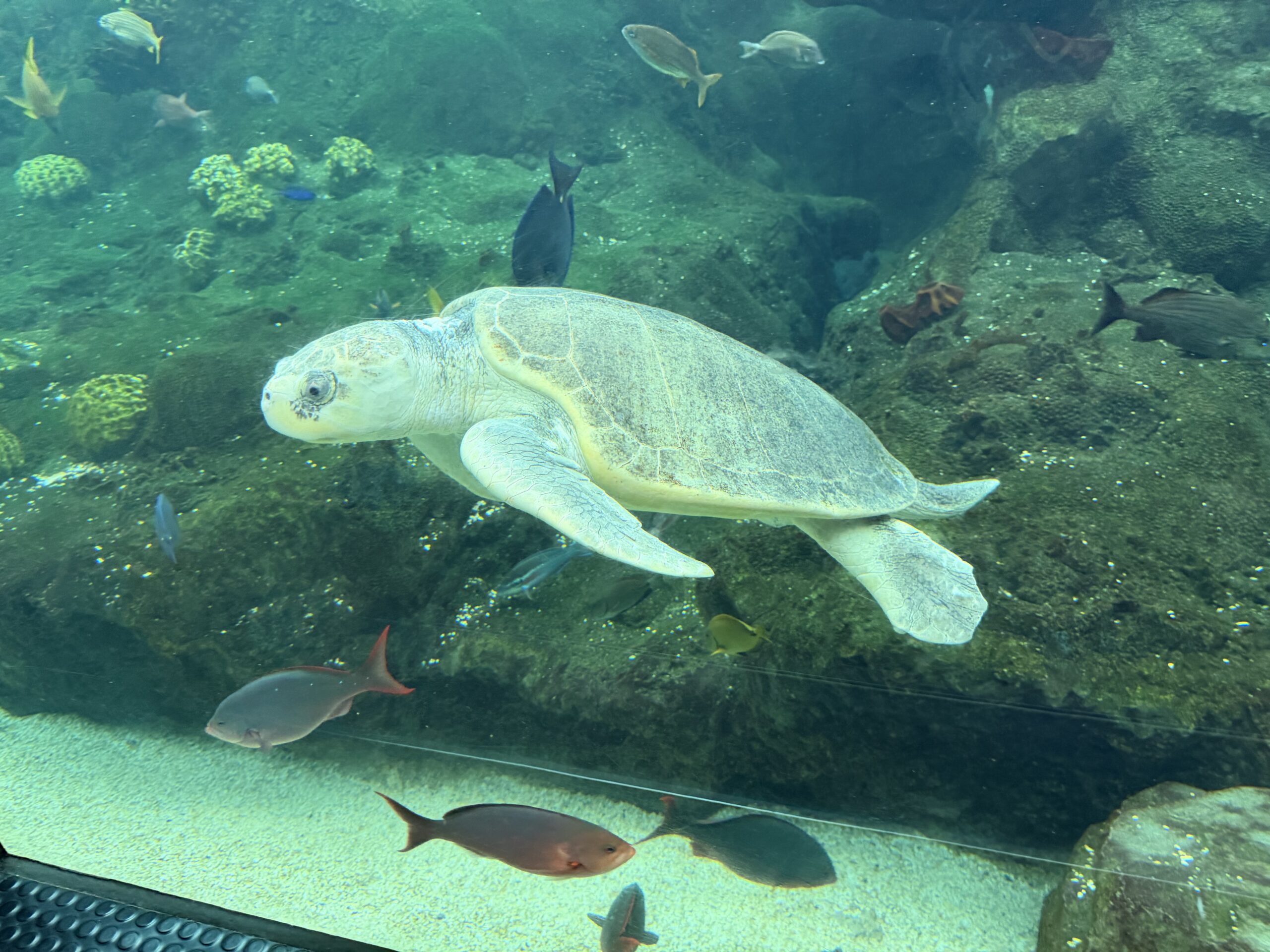
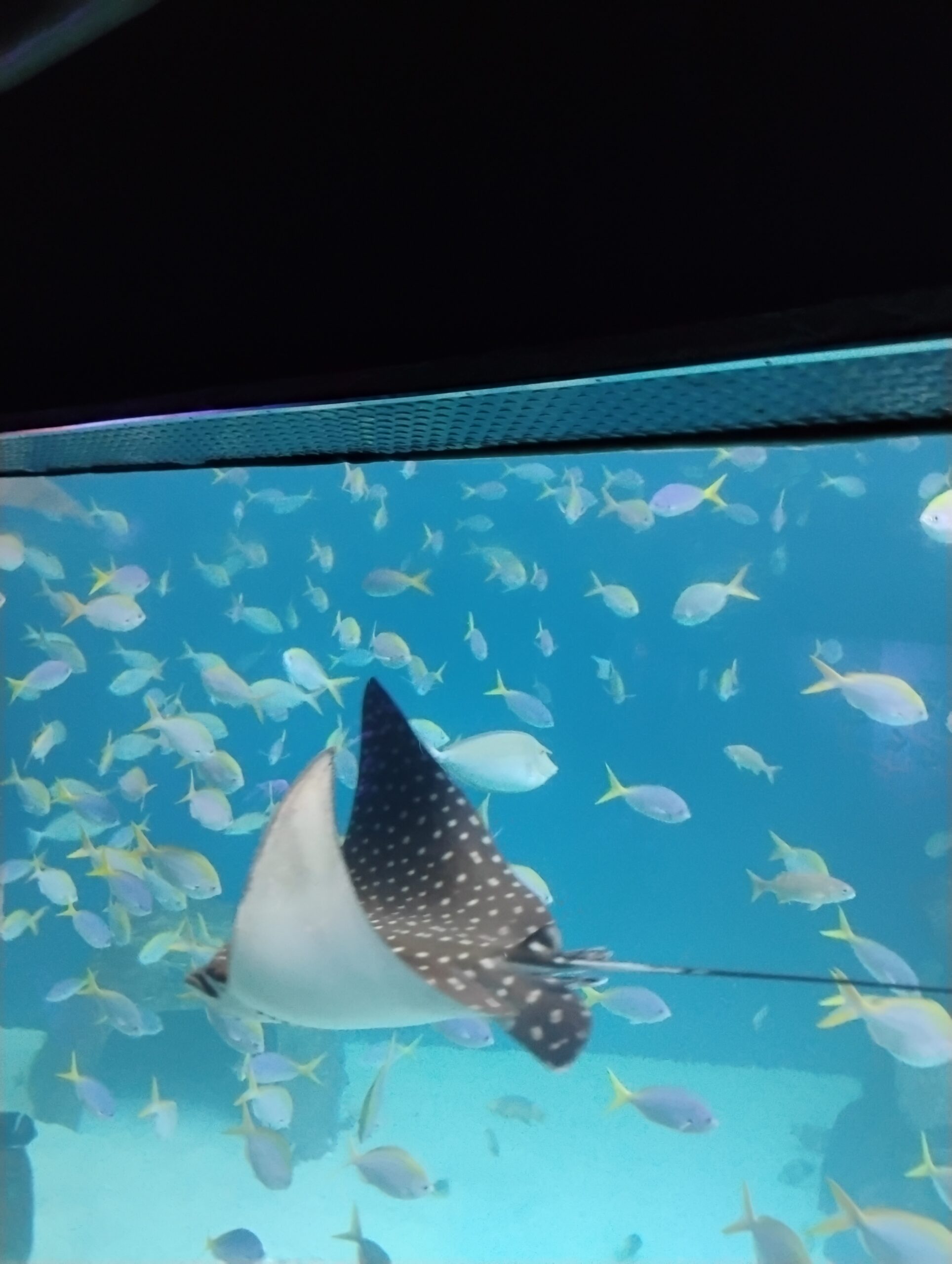
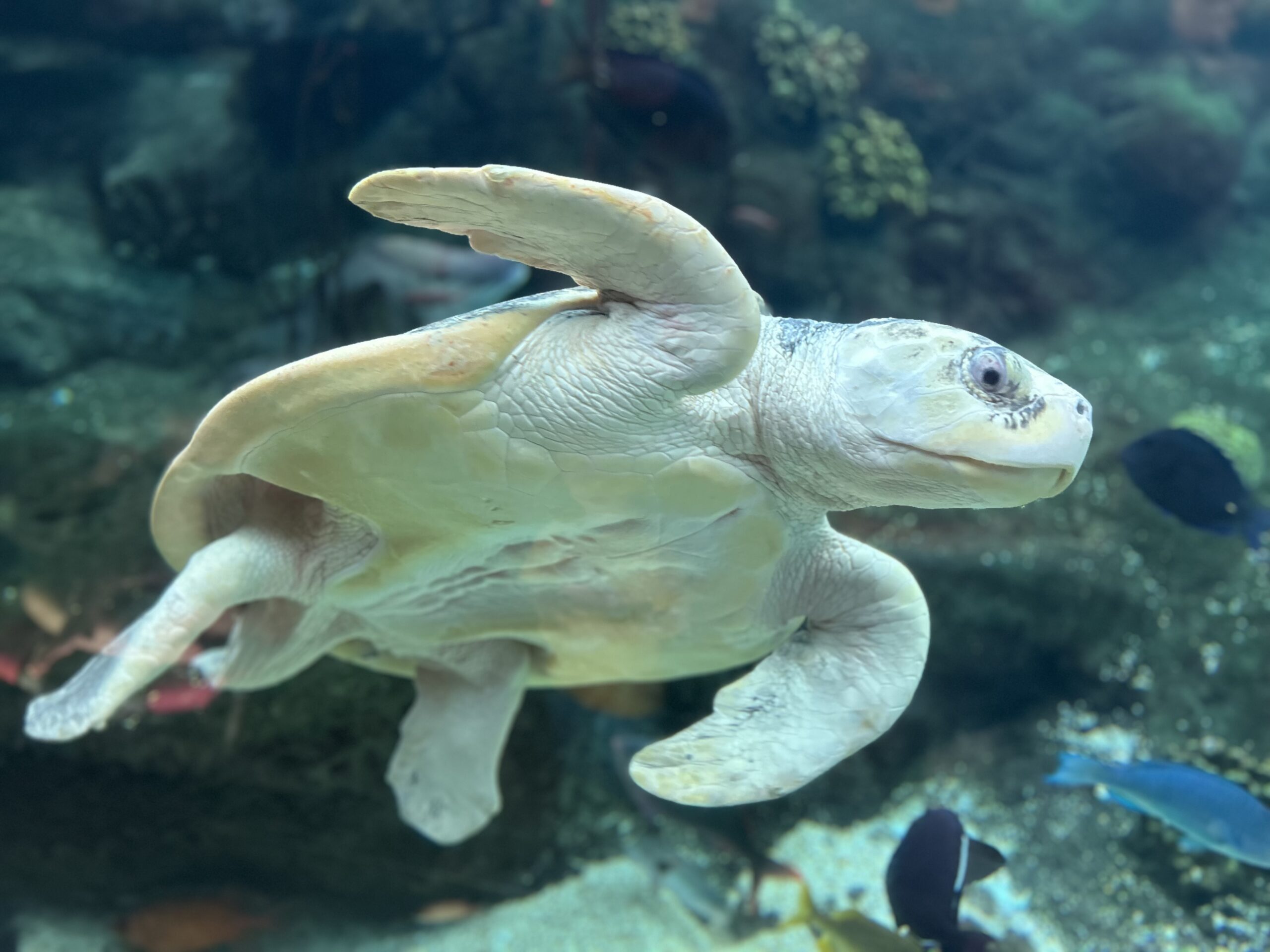
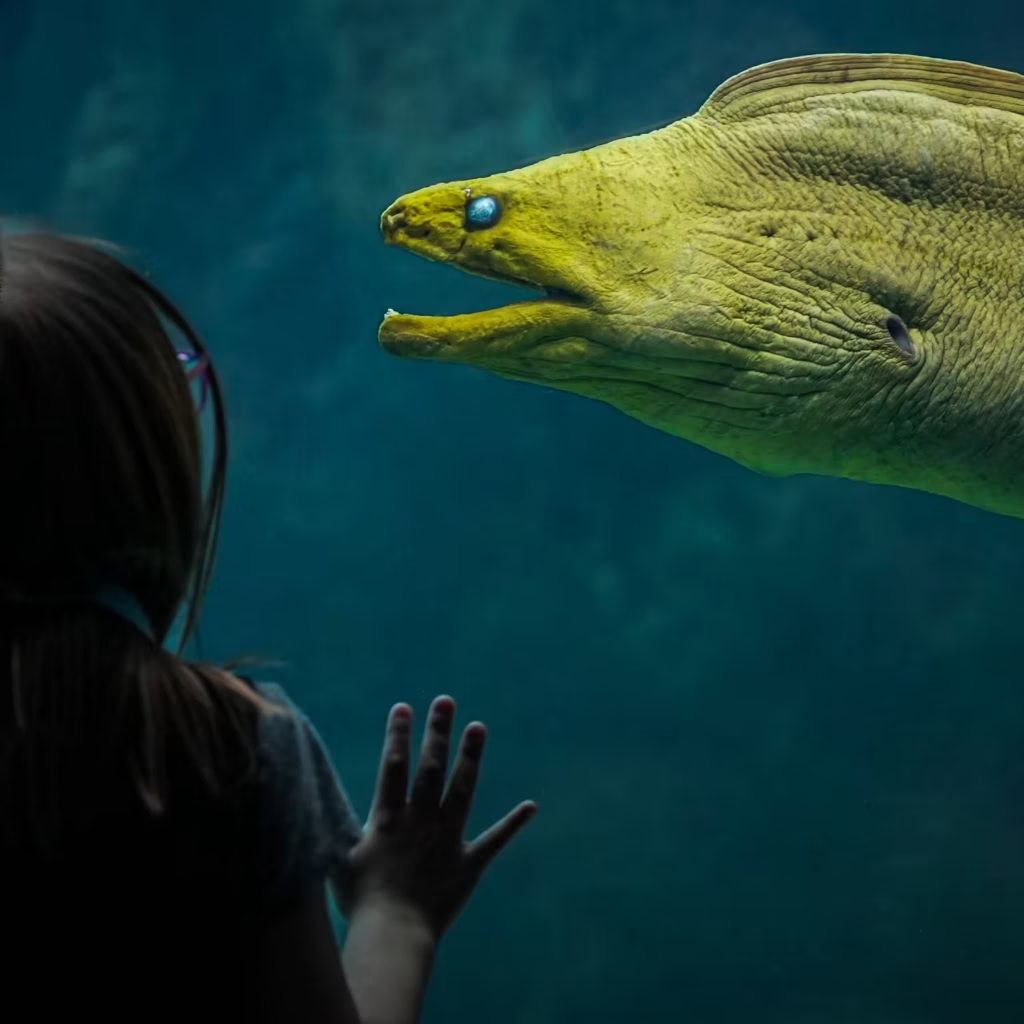
Below them, southern stingrays glide across the sand, using electroreceptors on their snouts to find food. Sea turtles, a moray eel and countless reef fish fill the rest of the tank. Stand back from the glass for a minute to see the whole reef at once, then move close to watch the sharks pass.

Heart of the Sea and the Indo-Pacific
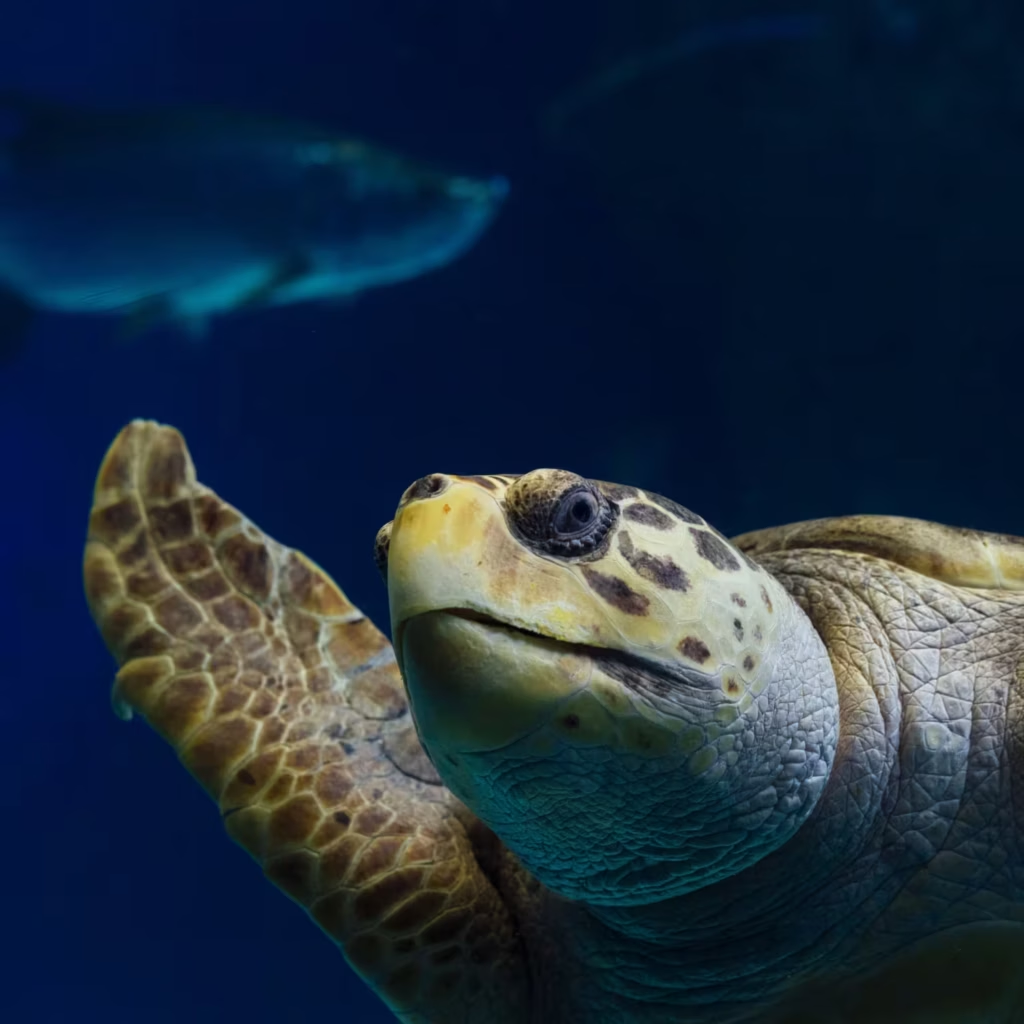
Marine life at The Florida Aquarium

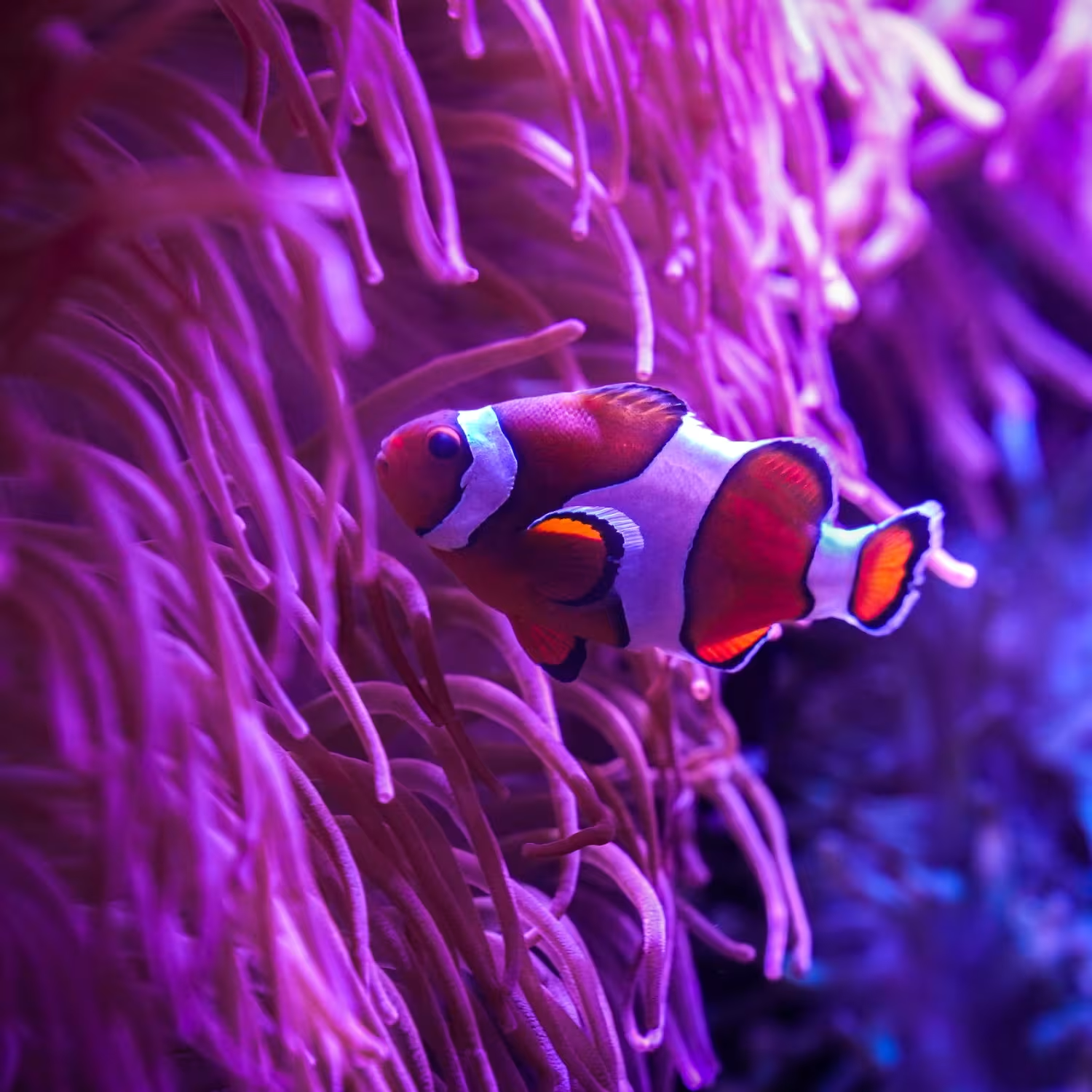
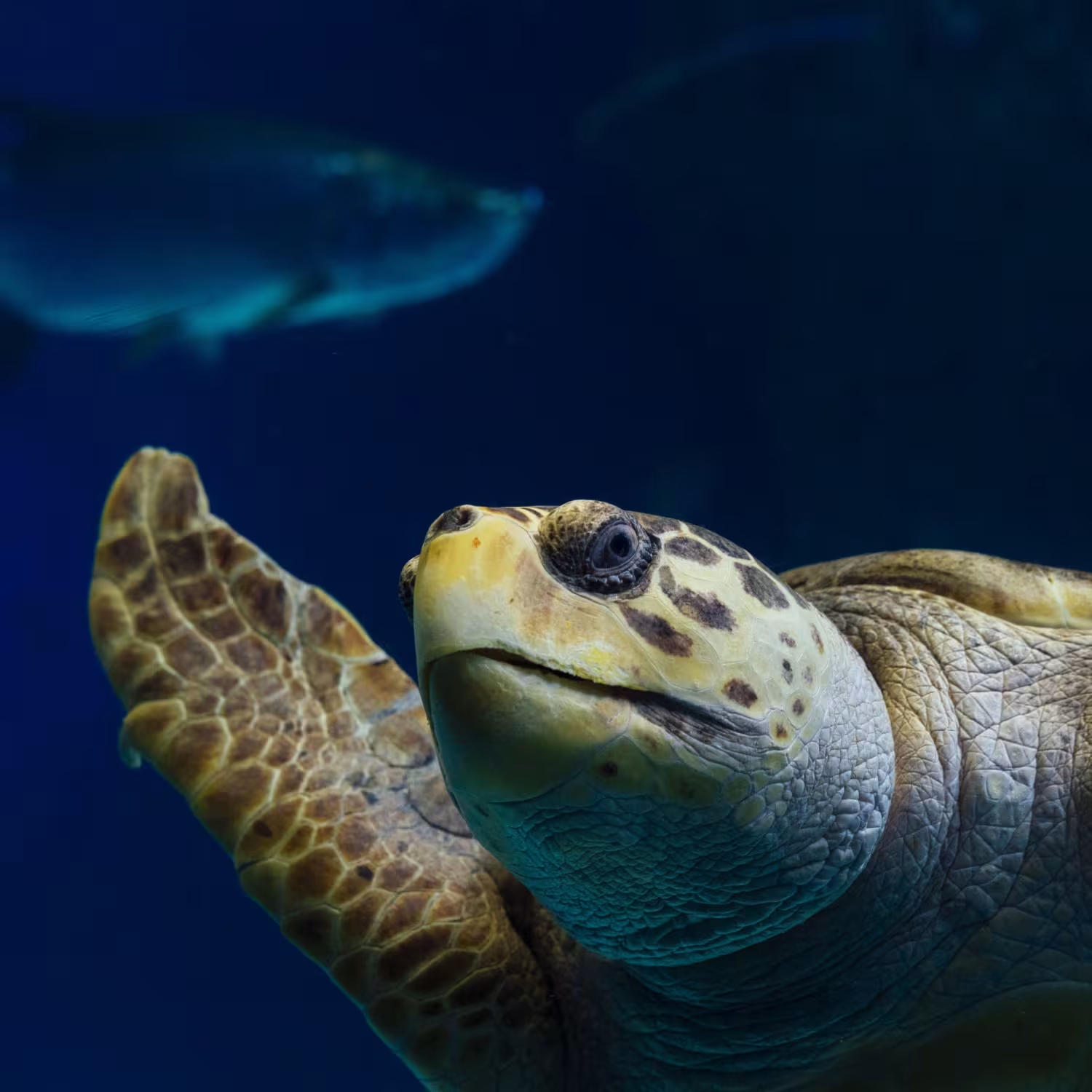
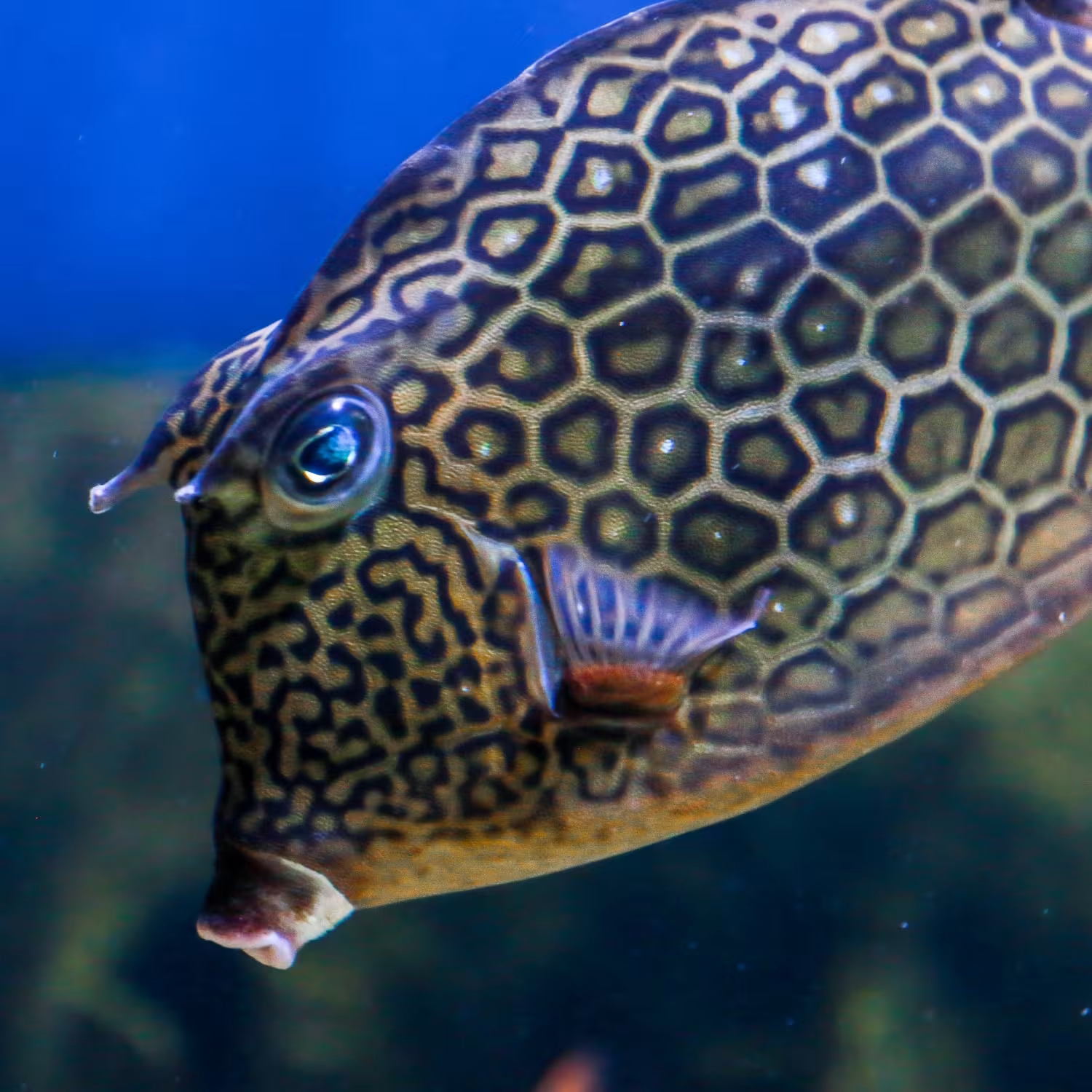
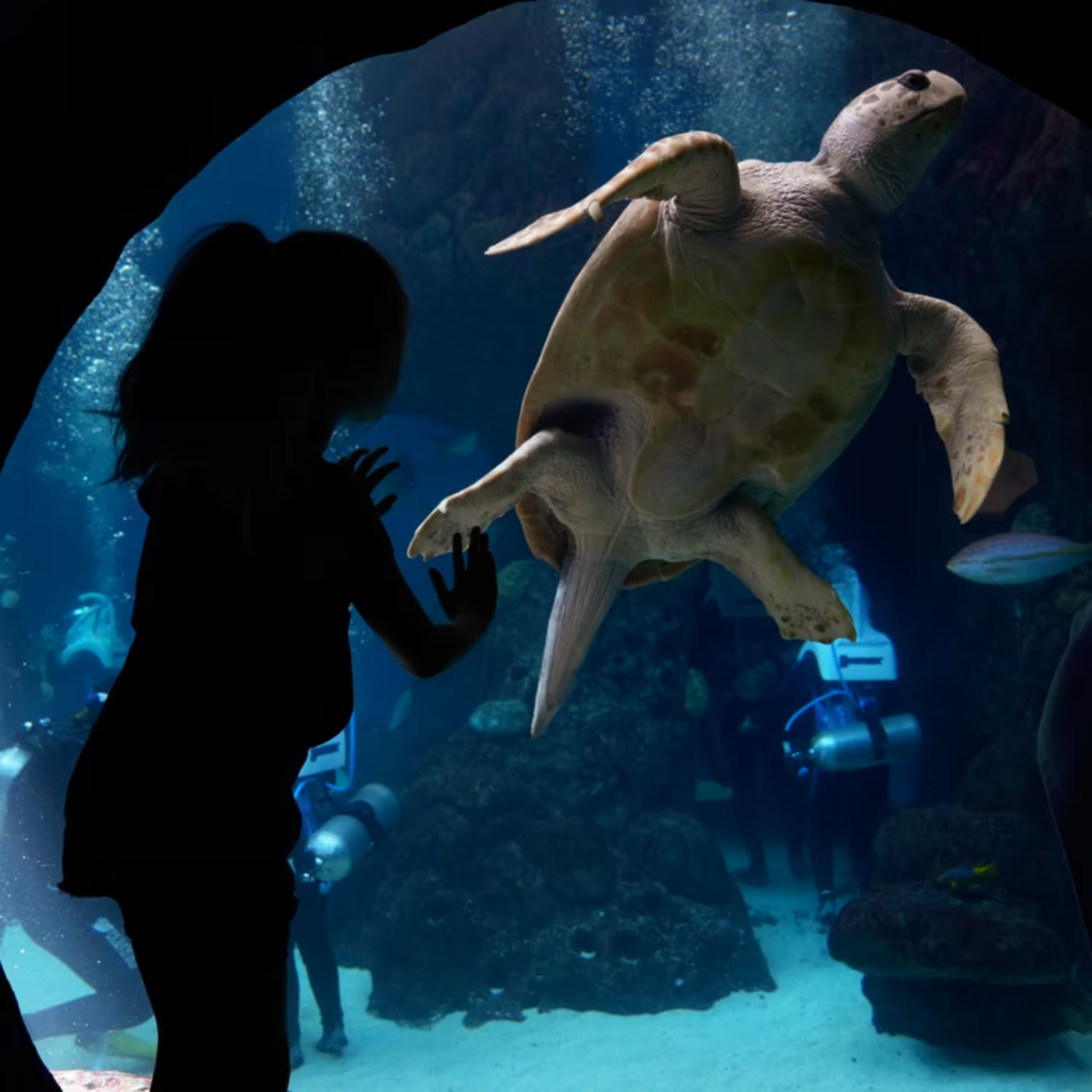
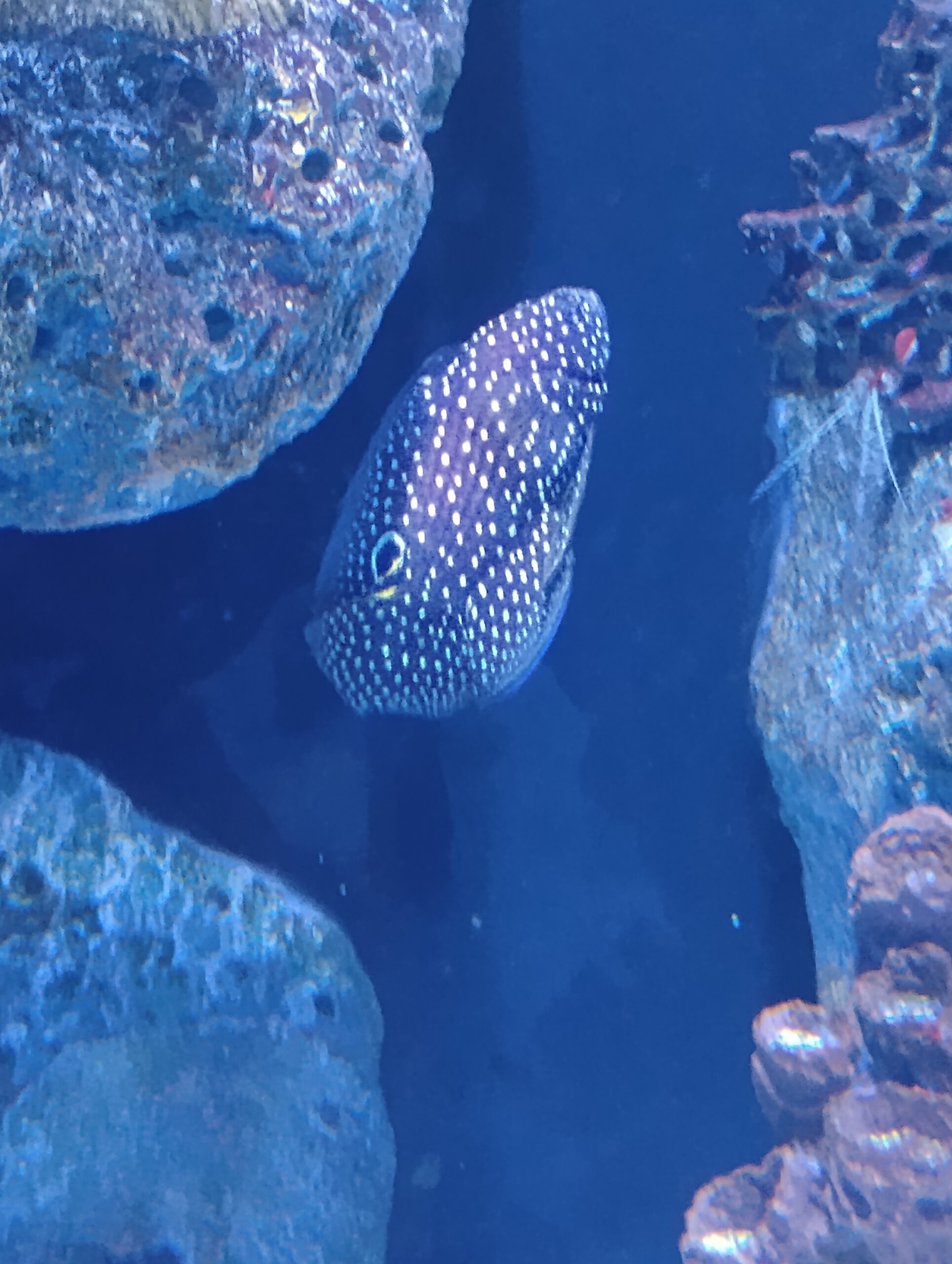
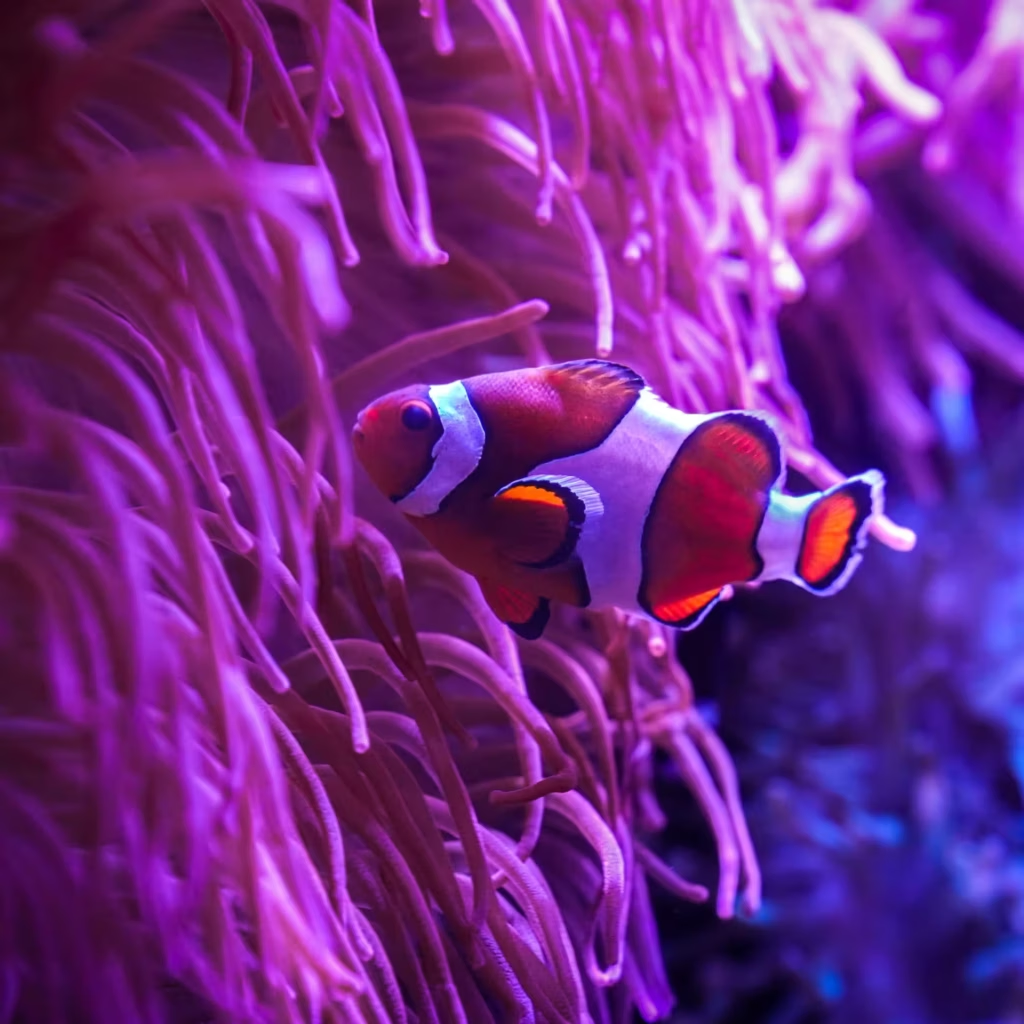
Heart of the Sea, opened in 2018, is the second-largest habitat, 15 feet deep and stocked with Indo-Pacific and Australian marine life. The stars are a Napoleon, or Maori, wrasse, a blue speckled grouper and a loggerhead sea turtle, joined by spotted unicornfish, clownfish and spotted eagle rays.

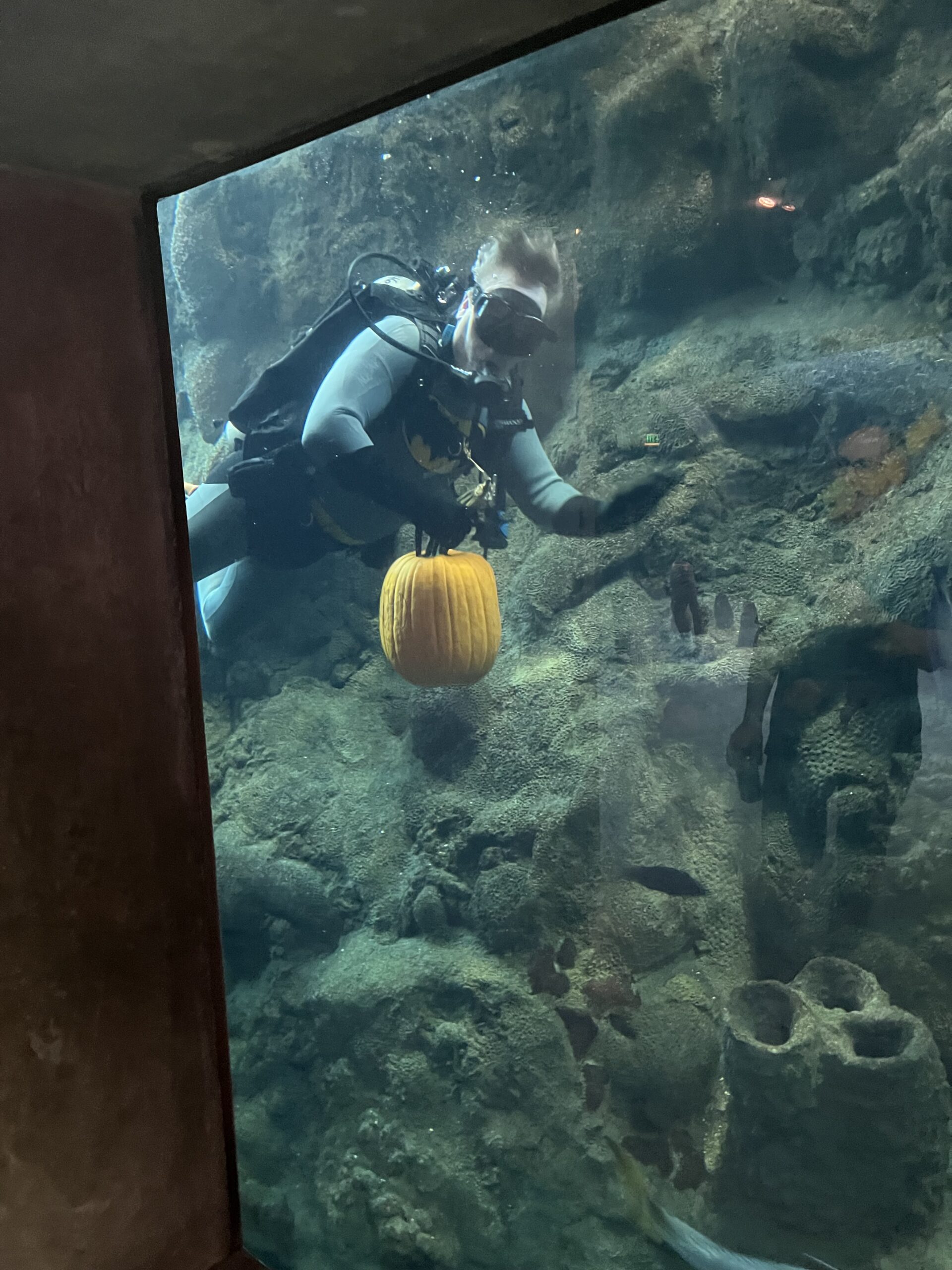
This is also where SeaTREK takes place, a guided underwater walking tour for non-divers aged 10 and up. No swimming is needed: you walk underwater and explore coral caves alongside the fish. It is booked as an extra experience.

The Tide Pool, MORPH'D and Moon Bay

Exhibits at The Florida Aquarium

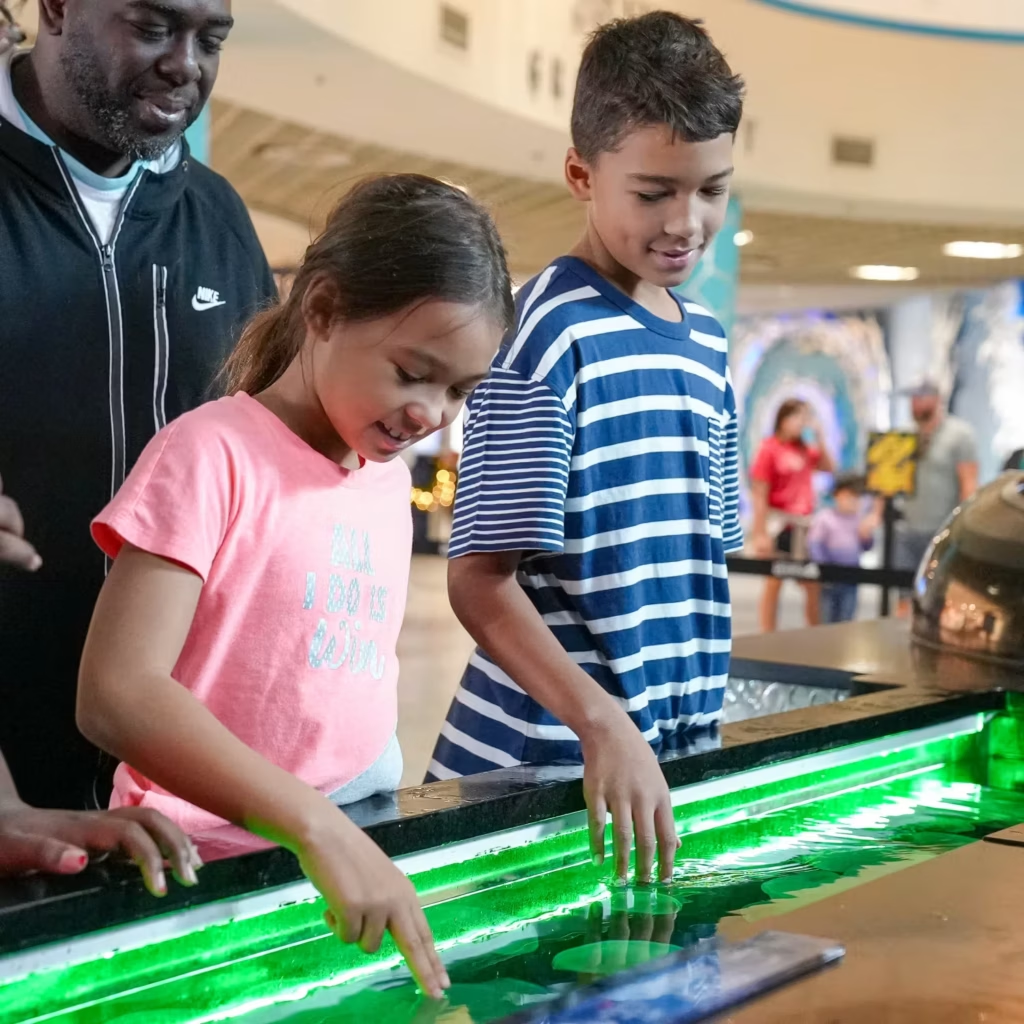
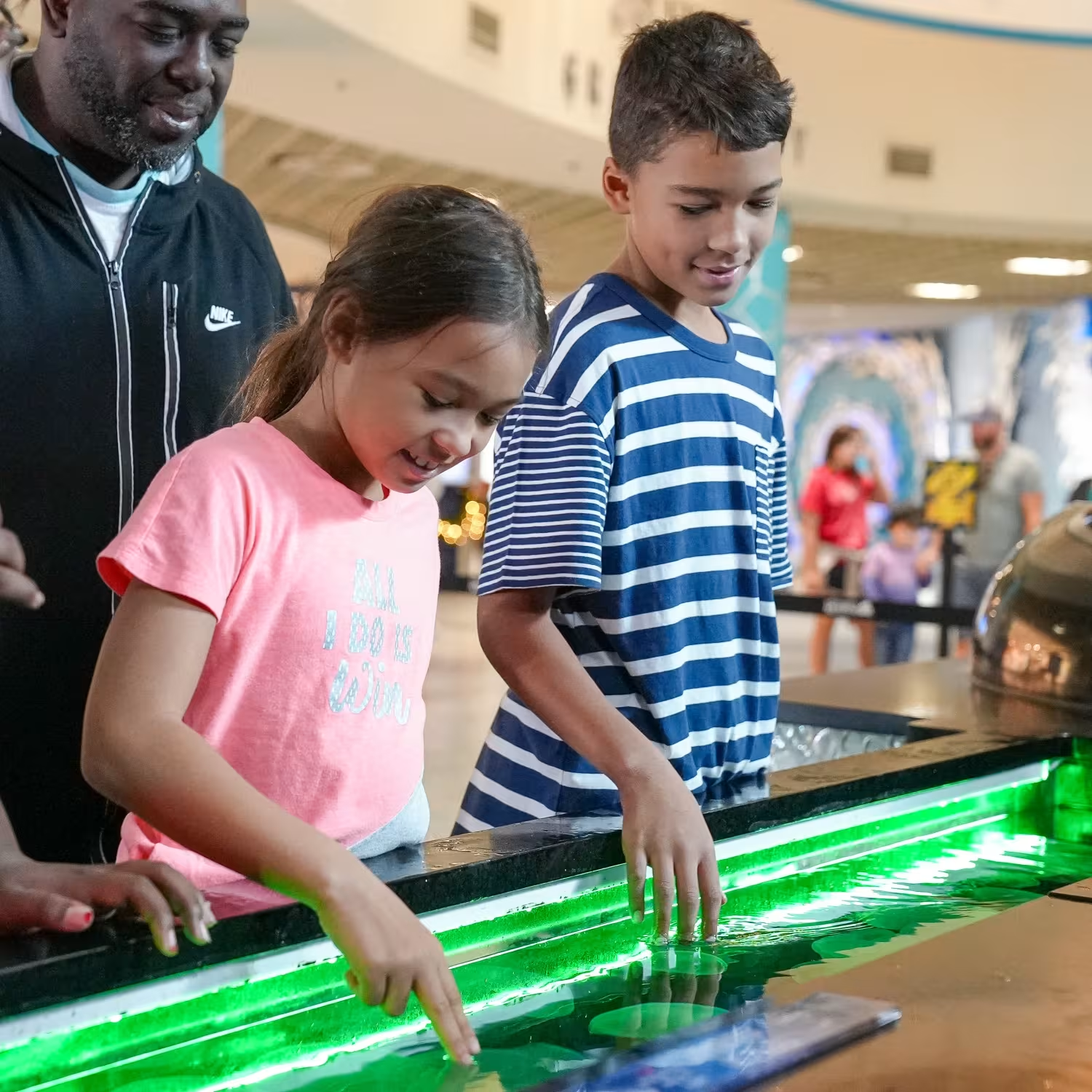
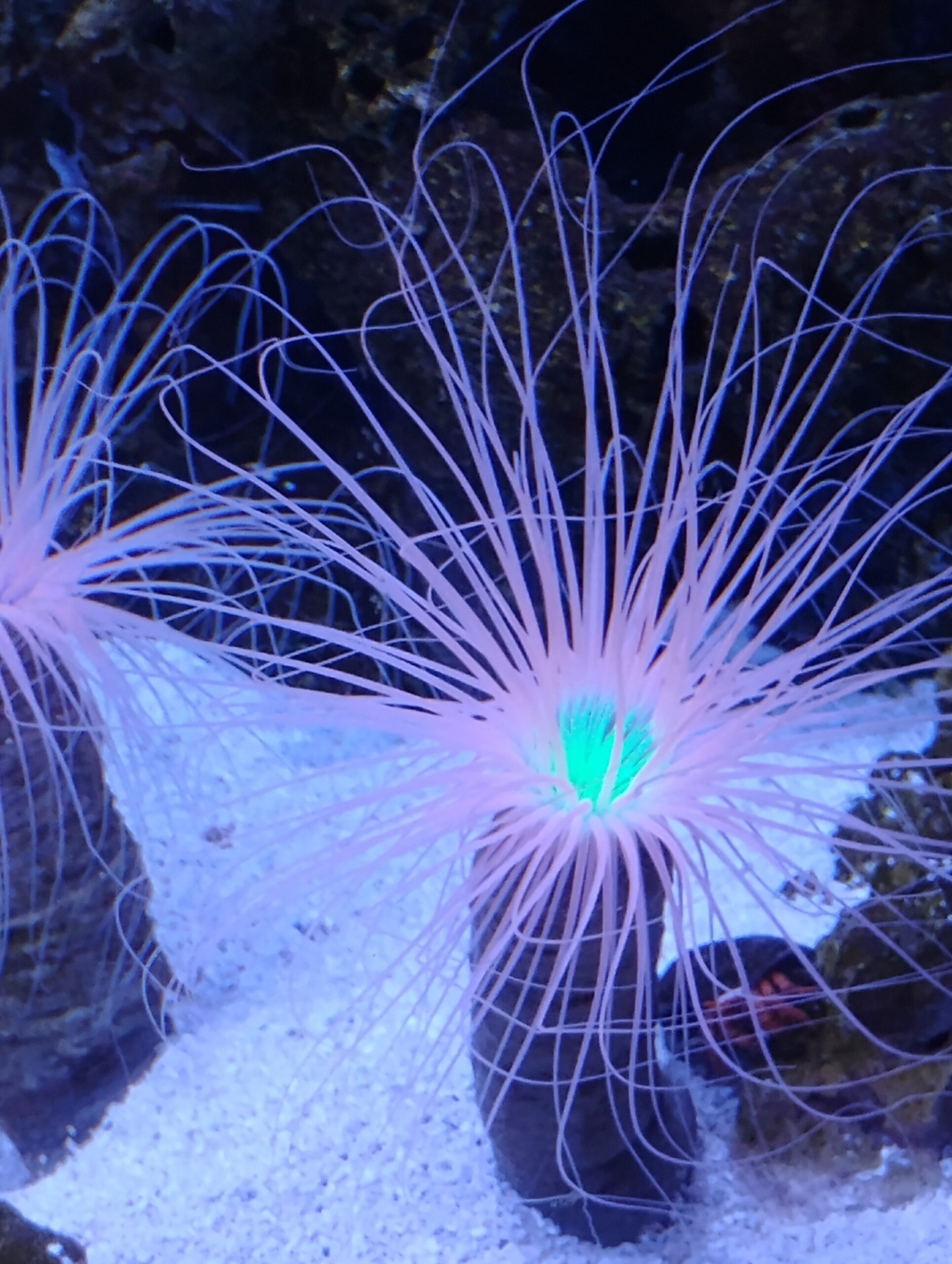
On the second-floor mezzanine, The Tide Pool opened on August 1, 2025. It is a 60-foot, 4,000-gallon cold-water touch habitat kept at 50 degrees Fahrenheit to mimic the Pacific Northwest coast. More than 200 invertebrates from 22 species live here, including 121 sea stars and 92 anemones, and you can gently touch animals such as the red bat star. Wave sounds, projected waves and a 70-foot mural that shifts from sunset to starry night complete the scene.

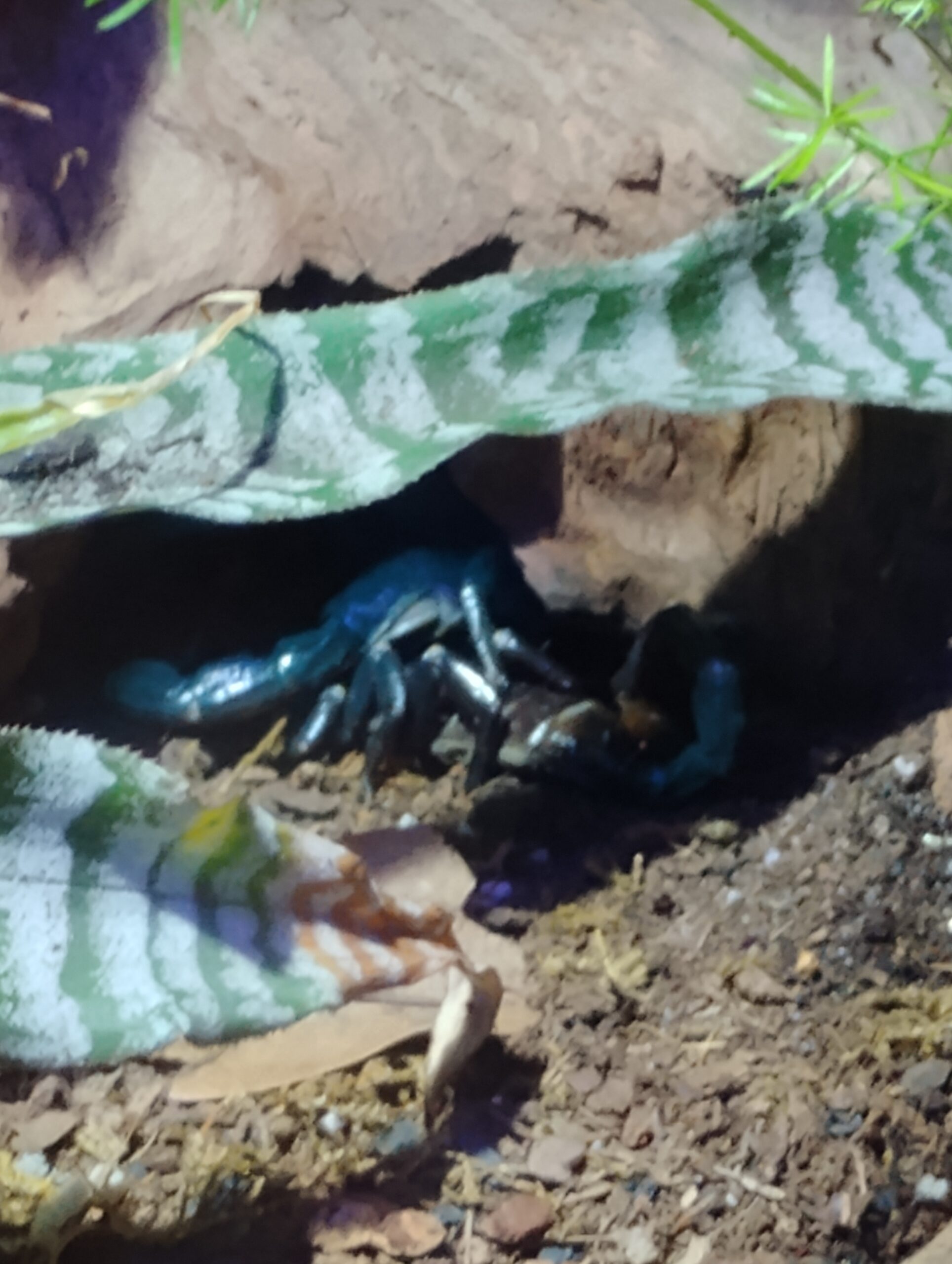
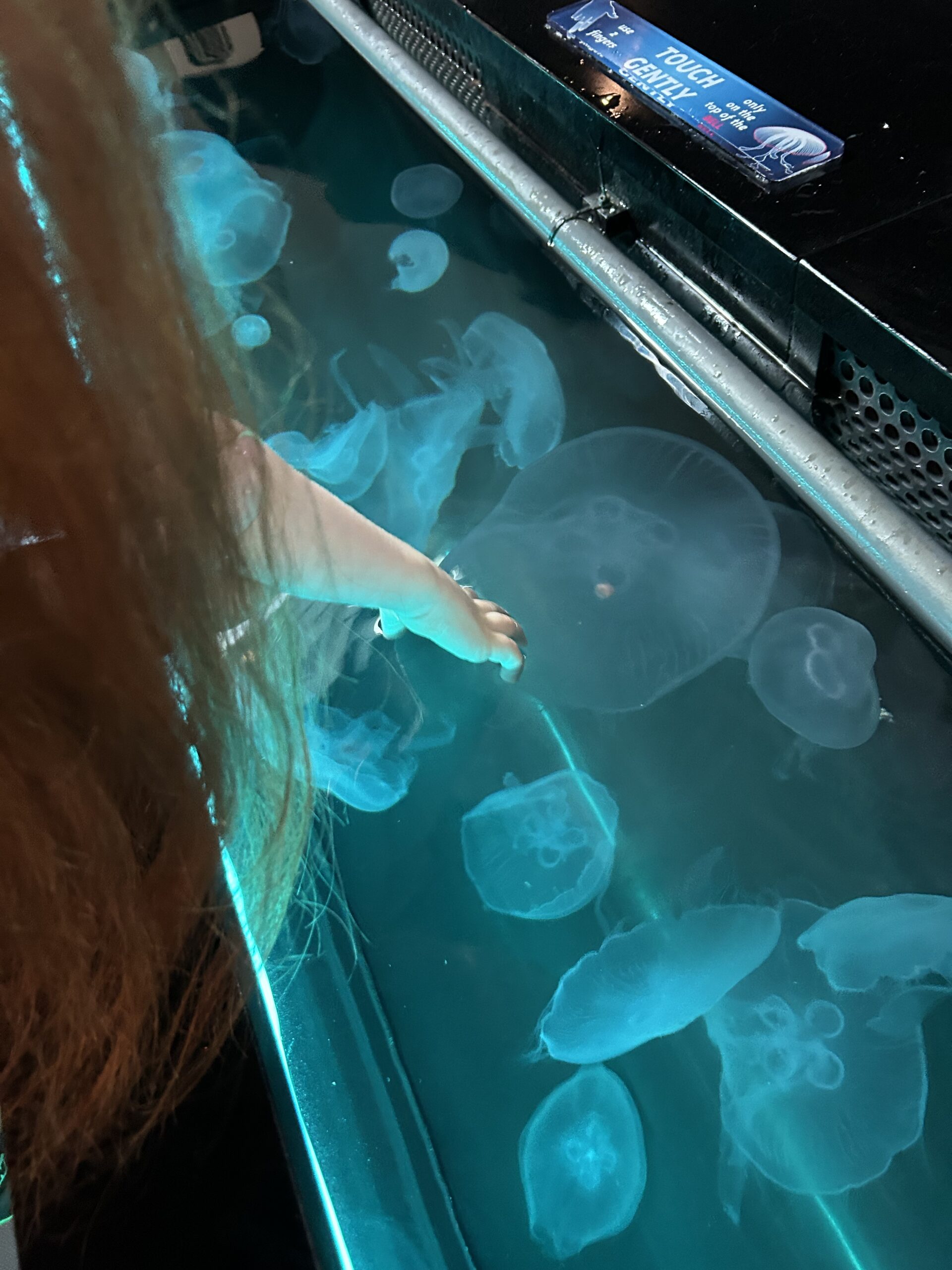
Nearby, MORPH'D, opened in 2023, tells stories of survival through animals such as electric eels and poison dart frogs. Moon Bay is the place for moon jellies, and Stingray Beach, Shorelines, Waves of Wonder and Reef Secrets round out the route with rays, coastal species and small reef animals.

African penguins and the new habitats

The Aquarium cares for a colony of African penguins, a critically endangered species; fewer than 20,000 remain in the wild along Africa's southwestern coast.

African penguins stand 24 to 27 inches tall, weigh 4 to 11 pounds, swim at up to 15 mph and can dive to 400 feet.

Each penguin has a unique pattern of chest spots, like a fingerprint, and they make a loud braying call similar to a donkey's.

The Penguin Encounter is a 45-minute behind-the-scenes programme with the colony; penguins may waddle up to you and you may gently touch a wing.

A new African penguin habitat and a California sea lion habitat are planned for late 2027 to early 2028, and puffins for late 2026 to early 2027.

Six new penguins joined the colony through the Species Survival Plan, which keeps the population genetically diverse.

Animal encounters and conservation

The Florida Aquarium

Beyond the habitats, the Aquarium runs paid animal encounters. Stingray Feeding lets you feed cownose stingrays, the Sloth Encounter introduces a two-toed sloth, and the Wild Dolphin Cruise heads out into Tampa Bay to look for bottlenose dolphins and birds. Together with the Penguin Encounter and SeaTREK, they are booked as extras on top of admission.

Much of the Aquarium's work happens out of sight. It was the first to reproduce ridged cactus coral, in 2020, and reproduced elkhorn coral in 2022. Its Coral Conservation and Research Center expanded in March 2024 to over 9,000 square feet, and it is part of a consortium working to restore Florida's reef. The TGH Animal Health Care Center is also part of the visit.

Planning your animal route

Head upstairs to the second-floor mezzanine for The Tide Pool, which is easy to miss.

Plan time at the Coral Reefs window: the sharks and turtles move around the whole tank.

Book encounters such as the Penguin Encounter or SeaTREK in advance, as places are limited.

Check the Florida Aquarium hours before you go: the Aquarium is open daily except Thanksgiving and Christmas Day.

Parking and transport to Channelside are in Florida Aquarium directions.

Our Florida Aquarium planning guide covers food, facilities and accessibility.

Quick tips before you go

Look up as you walk the wetlands trail: birds fly overhead under the dome.

Wash your hands after the Tide Pool before eating.

Stand back from the reef window to see the whole tank, then move close for the sharks.

Ask children to spot the sand tiger sharks by their long snouts and teeth.

Pair the Aquarium with ZooTampa using the combo ticket on this page.

Combine the Aquarium with more of Tampa

The Florida Aquarium sits on the Channelside waterfront, close to downtown Tampa. Pair it with ZooTampa or Clearwater Marine Aquarium, browse zoos and aquariums in Tampa, or choose your entry on the Florida Aquarium ticket page.

Florida Aquarium animals: FAQs

What animals can you see at The Florida Aquarium?

More than 7,000 aquatic plants and animals, including sand tiger sharks, southern stingrays, sea turtles, river otters, an alligator, moon jellies, electric eels, wading birds and cold-water invertebrates.

Does The Florida Aquarium have sharks?

Yes. Sand tiger sharks live in the Coral Reefs habitat, the largest at over 500,000 gallons, which you view through a panoramic window.

Does The Florida Aquarium have penguins?

Yes. The Aquarium cares for a colony of critically endangered African penguins. You can meet them on the 45-minute Penguin Encounter, and a new penguin habitat is planned for late 2027 to early 2028.

Are there otters at The Florida Aquarium?

Yes. River otters live in the Wetlands of Florida habitat under the glass dome. They can stay underwater for up to eight minutes.

What is The Tide Pool?

A 60-foot cold-water touch habitat that opened in August 2025 on the second-floor mezzanine. It holds more than 200 invertebrates, such as sea stars and anemones, kept at 50 degrees Fahrenheit.

Can you touch animals at The Florida Aquarium?

Yes. The Tide Pool lets you gently touch animals such as the red bat star, and the Stingray Feeding and Penguin Encounter experiences offer closer contact.

What is the biggest tank at The Florida Aquarium?

The Coral Reefs habitat, with over 500,000 gallons of water. Heart of the Sea, 15 feet deep, is the second largest.

Are animal encounters included with admission?

No. Experiences such as the Penguin Encounter, SeaTREK, Stingray Feeding and the Sloth Encounter are booked as extras. The habitats themselves are included with general admission.

Is The Florida Aquarium getting new animals?

Yes. Puffins are planned for late 2026 to early 2027, and a California sea lion habitat and a new African penguin habitat for late 2027 to early 2028.

About this guide

Sources: The Florida Aquarium, Habitats: Wetlands of Florida, Coral Reefs and Heart of the Sea; The Florida Aquarium, Penguin Awareness Day and New Penguins Arrive (news); Business Wire, The Florida Aquarium Unveils The Tide Pool (August 2025); Wikipedia, The Florida Aquarium.