We are processing your request.
Please, don’t close or refresh the page.
Tampa Tickets Henry B Plant Museum Tampa Bay Hotel History
Henry B. Plant Museum in the former Tampa Bay Hotel

The Tampa Bay Hotel: History of the Henry B. Plant Museum

How a railroad magnate built a Moorish palace with 511 rooms on the Hillsborough River, why Teddy Roosevelt stayed there, and how it became a museum and a university.
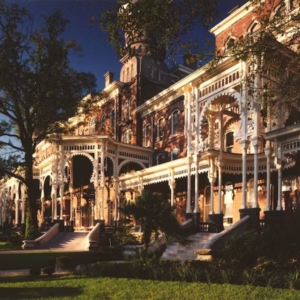
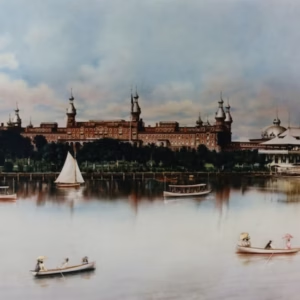
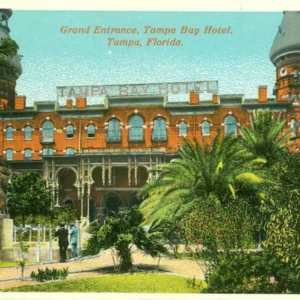
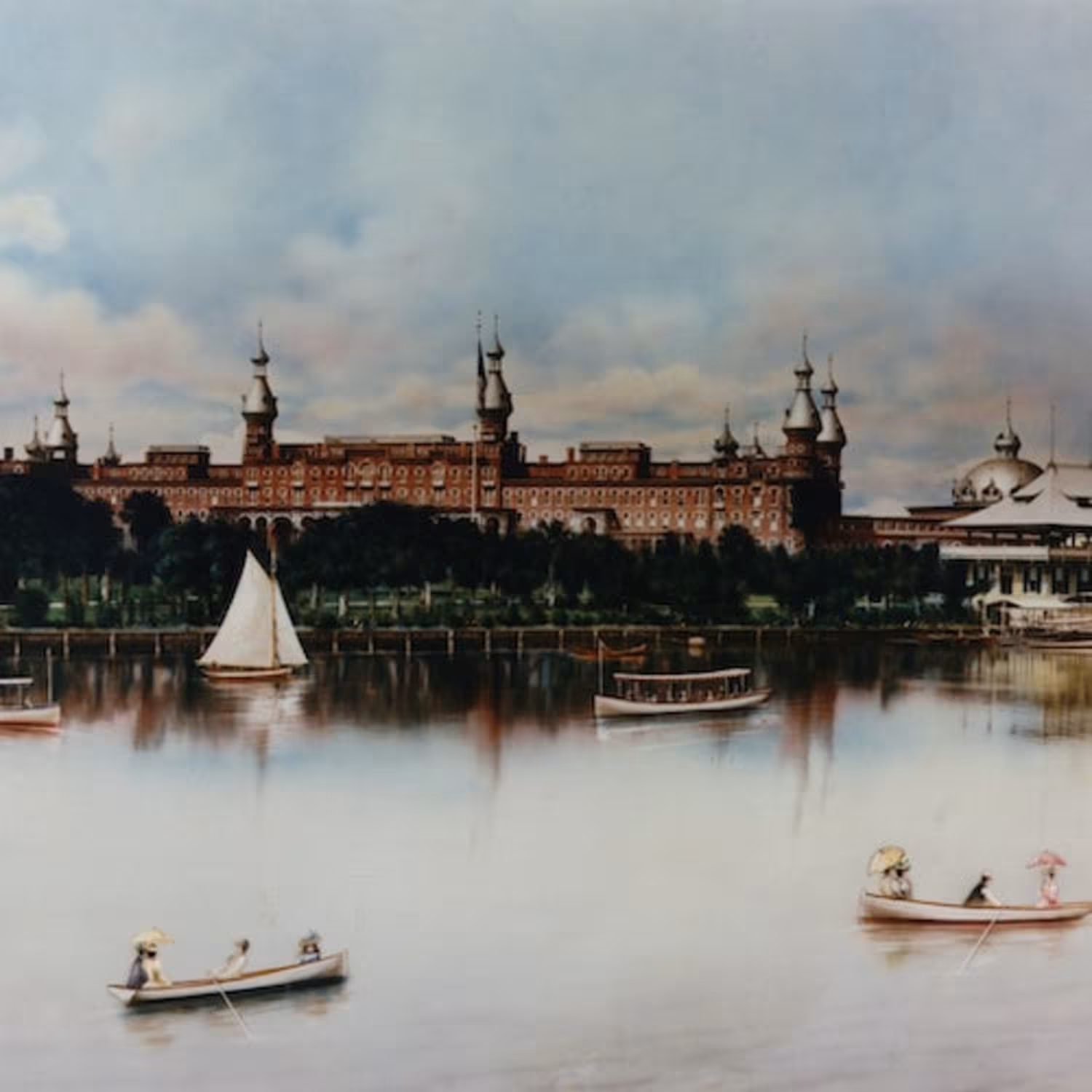
The silver minarets that rise over downtown Tampa across the Hillsborough River belong to the Tampa Bay Hotel, a Moorish Revival palace that railroad magnate Henry B. Plant opened in 1891. It was one of the most lavish resorts in the country, a base for the U.S. Army in the Spanish-American War and, since 1933, home to both the University of Tampa and a museum. The Henry B. Plant Museum, in the south wing, keeps the hotel's original furnishings and tells the story of its Gilded Age guests. This guide covers who built it, what made it extraordinary, its role in 1898 and what you see inside today. For practical details, see our Henry B. Plant Museum visitor guide.

4.6
(39)

Henry B. Plant Museum

Highlights

Explore the magnificently preserved interiors and artifacts of a grand Victorian-era hotel.

Learn about Henry B. Plant, a key figure in developing Florida’s tourism.

Enjoy a narrated audio tour available in English and Spanish.

Benefit from complimentary on-site parking.

Discover a unique fusion of Moorish-Revival architectural beauty and historical exhibits.
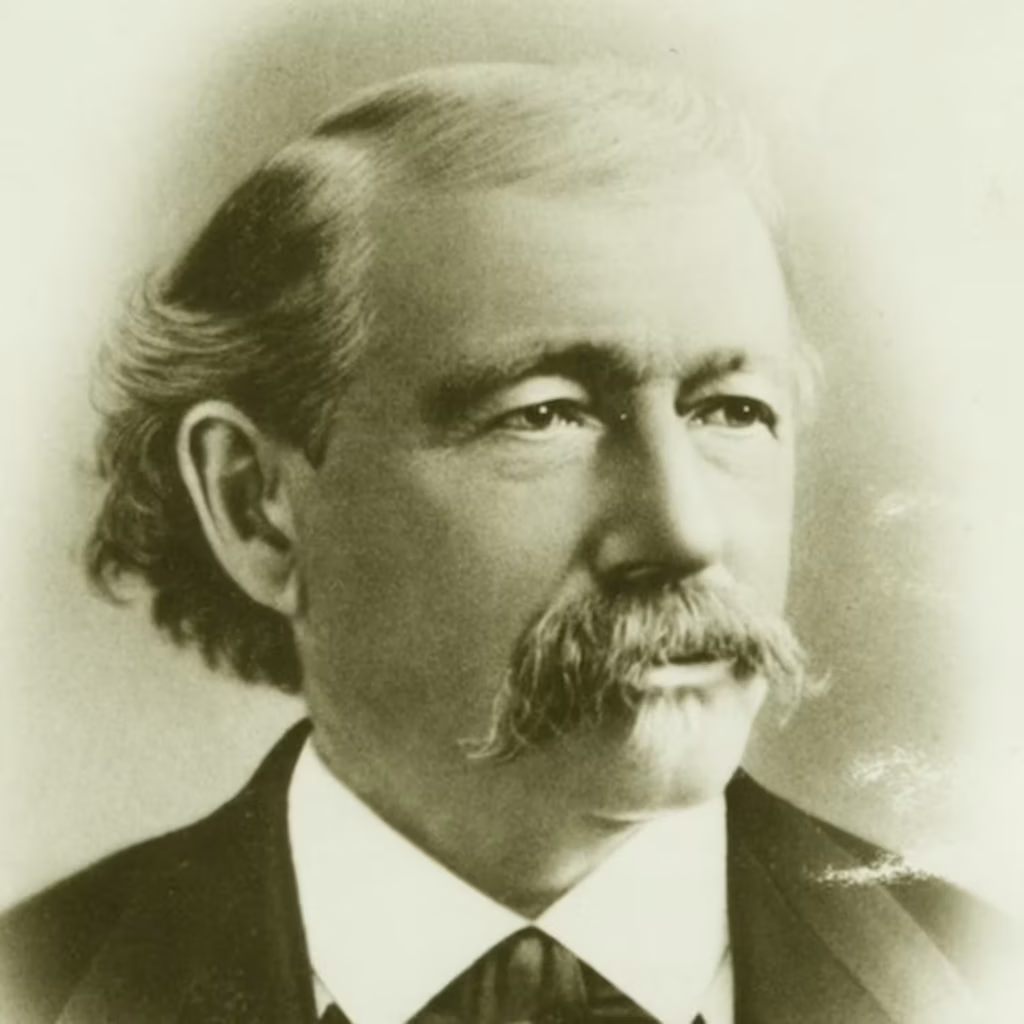
Tampa Bay Hotel: key facts

Built by Henry B. Plant between 1888 and 1891 at a cost of over $3 million.

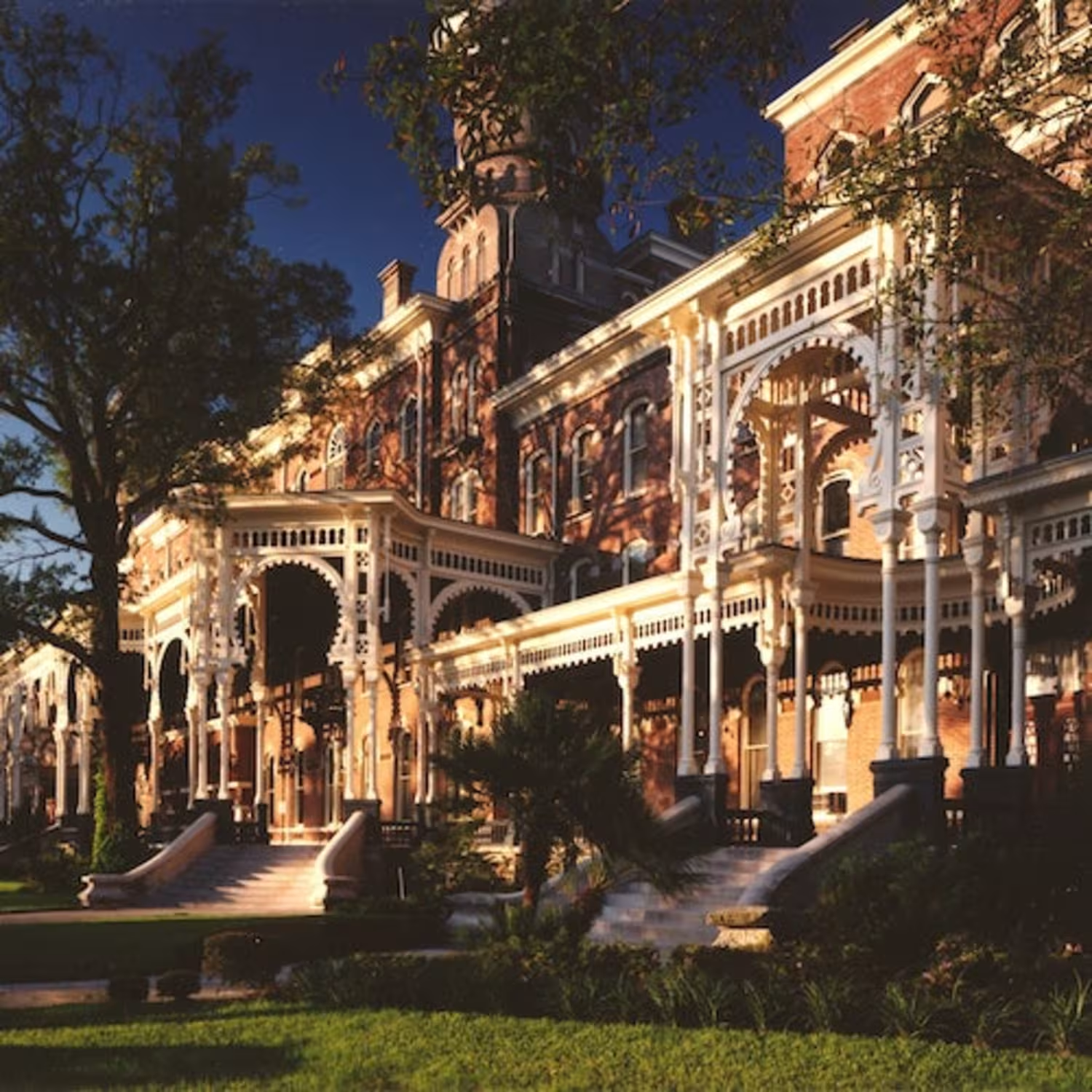
Designed by architect J.A. Wood in the Moorish Revival style, with six minarets, four cupolas and three domes.

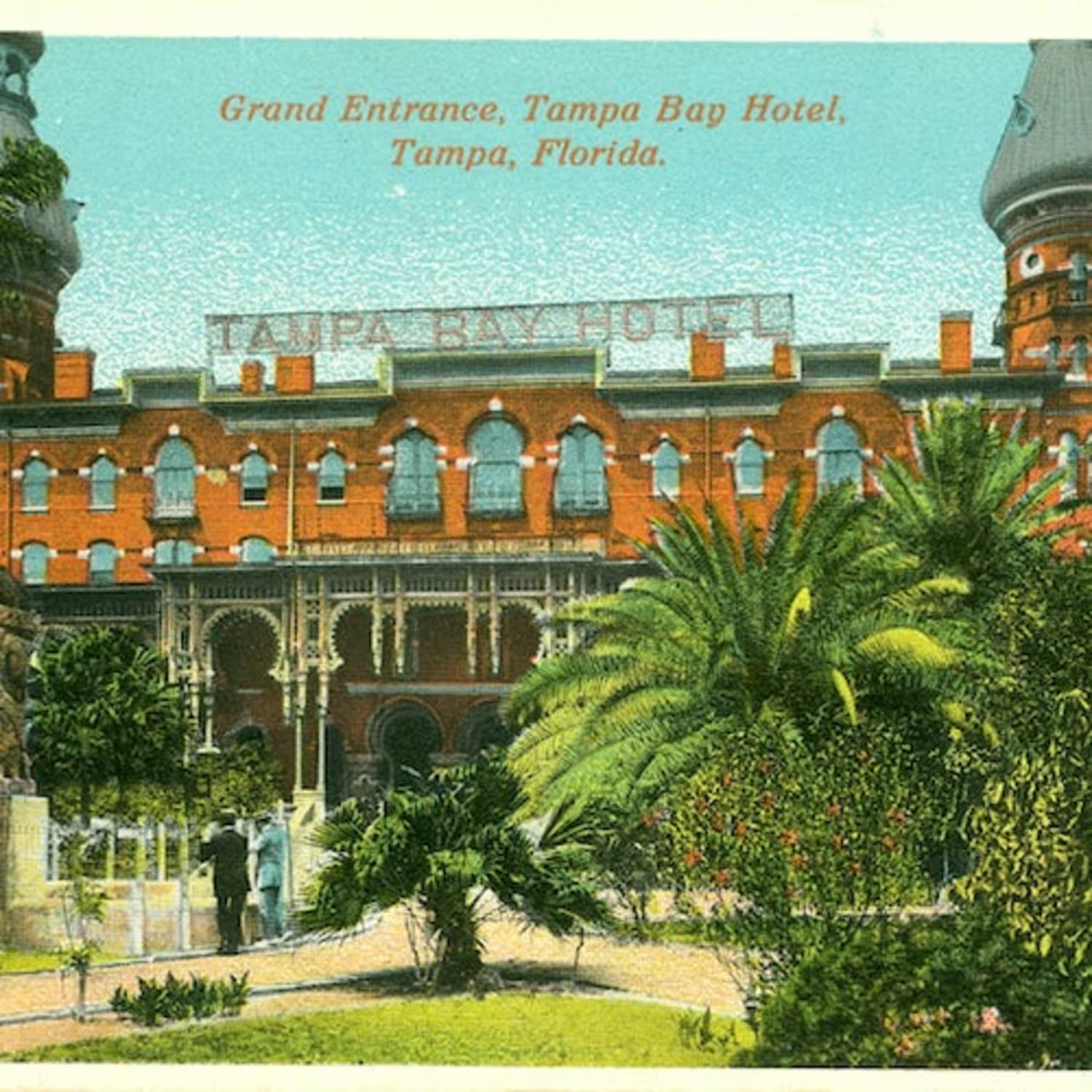
Opened on February 5, 1891, with 511 rooms and suites.

Florida's first electric lighting, telephones and elevator were installed here; the elevator still works.

In 1898 it served as a military headquarters for the Spanish-American War; Theodore Roosevelt kept a suite.

The building, now Plant Hall at the University of Tampa, is a National Historic Landmark.

Henry Plant and his palace on the river
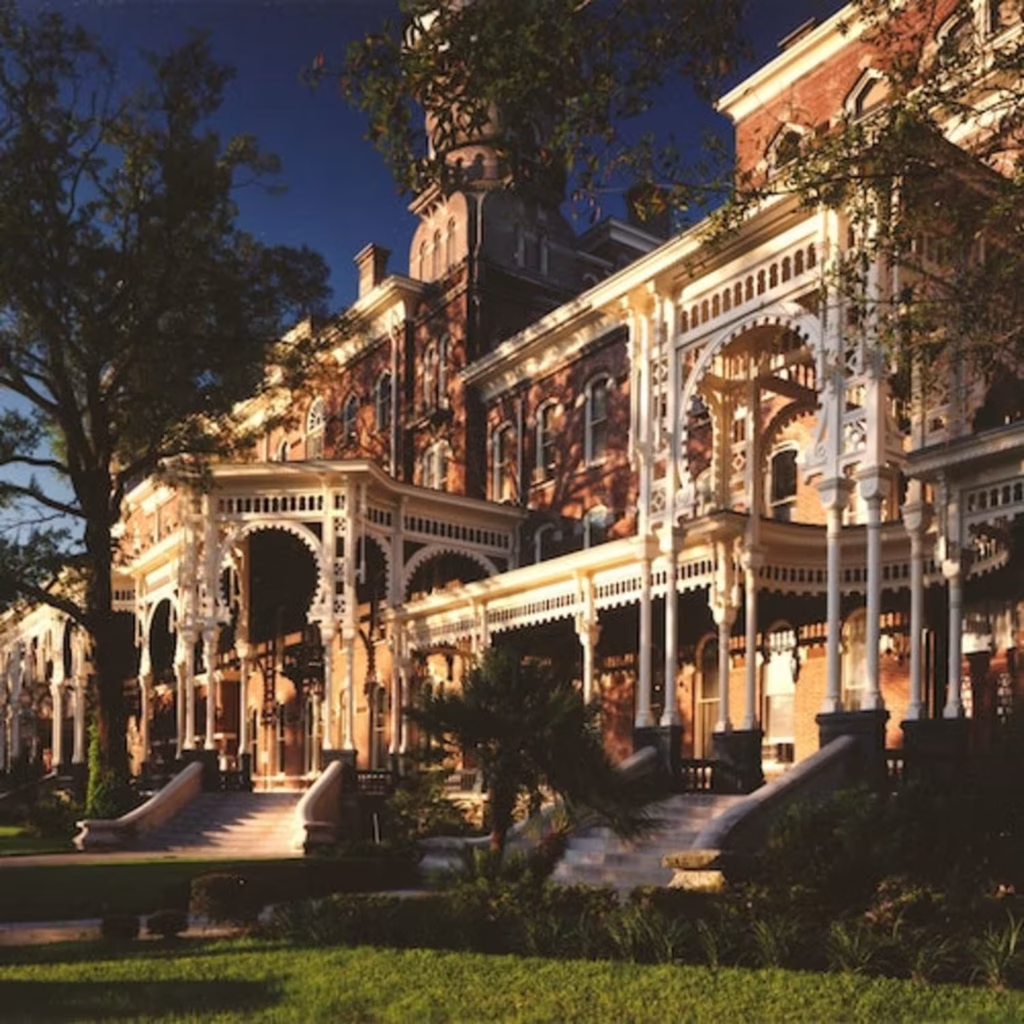
Henry B. Plant Museum

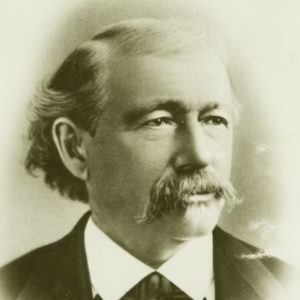
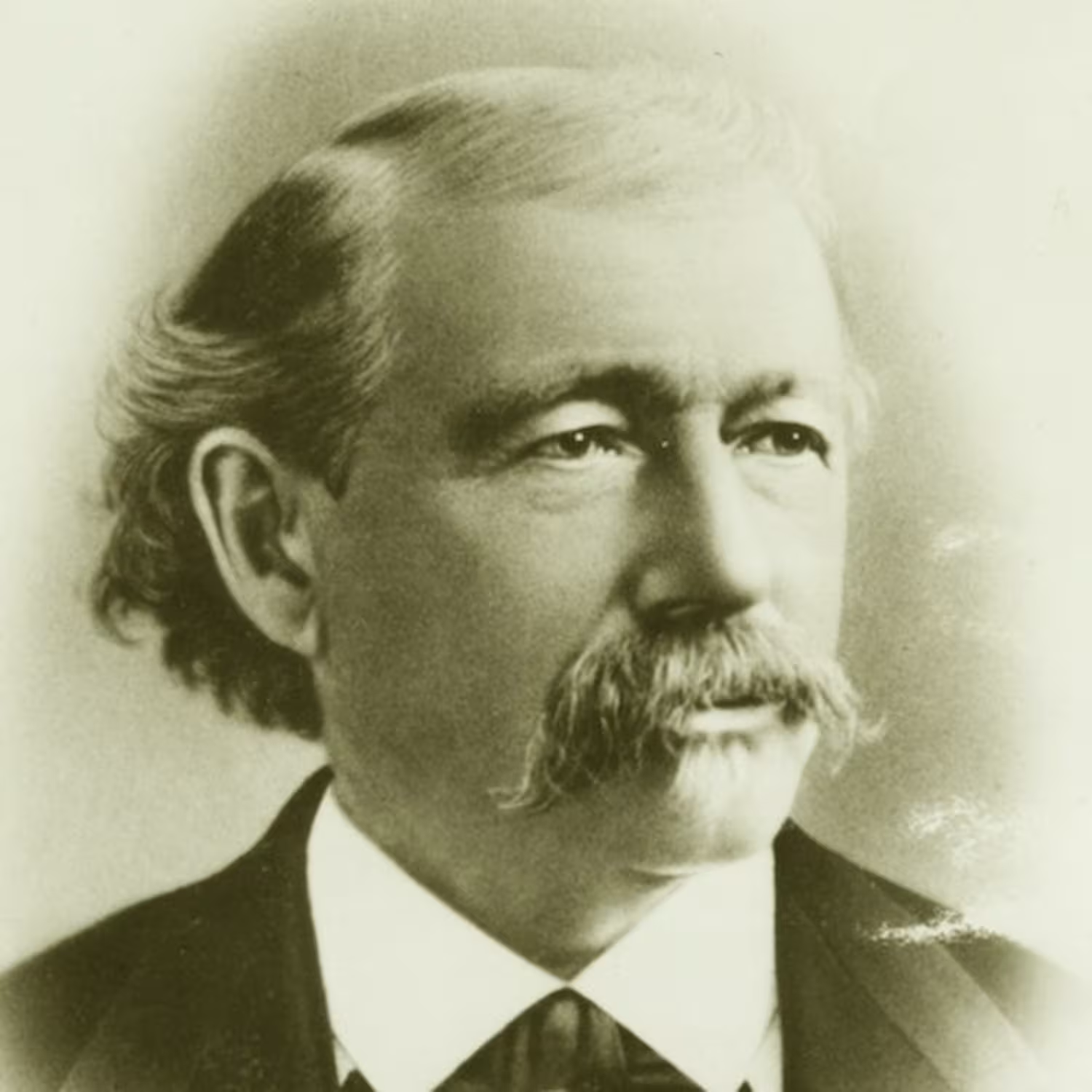
In the 1880s Henry Bradley Plant was building an empire of railroads, steamships and hotels across Florida and the South, known as the Plant System. His first company, the Southern Express Company, had made his fortune, and Tampa was the terminus of his rail line. He built eight hotels to anchor the line, and the Tampa Bay Hotel was meant to be its palace.

Construction ran from 1888 to 1891 and cost over $3 million. Architect J.A. Wood, who also designed the Old Hillsborough County Courthouse, gave the building a Moorish Revival look, with six minarets, four cupolas and three domes. The concrete and steel structure was advertised as fireproof. The University of Tampa still calls it Florida's first Magic Kingdom, a nod to how it turned a small Gulf town into a winter destination.

The 1891 opening and Gilded Age luxury
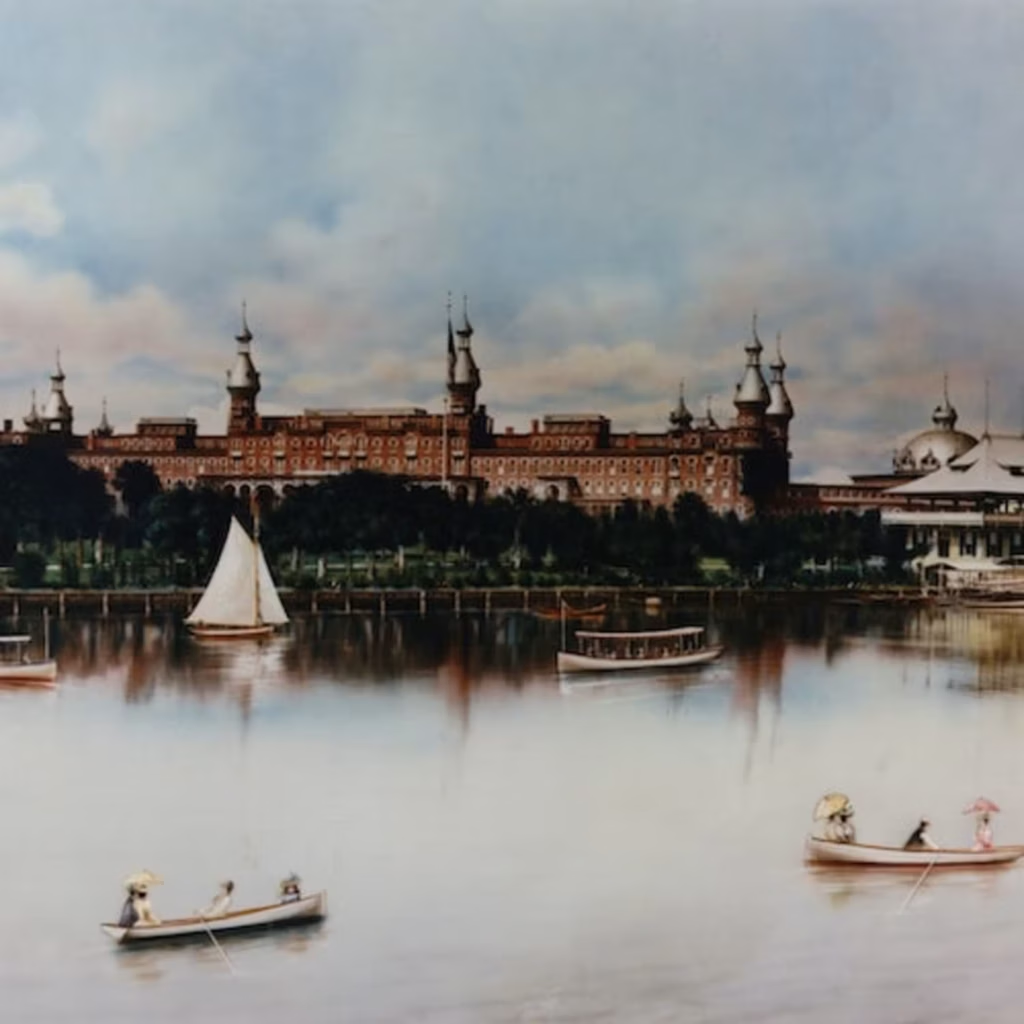
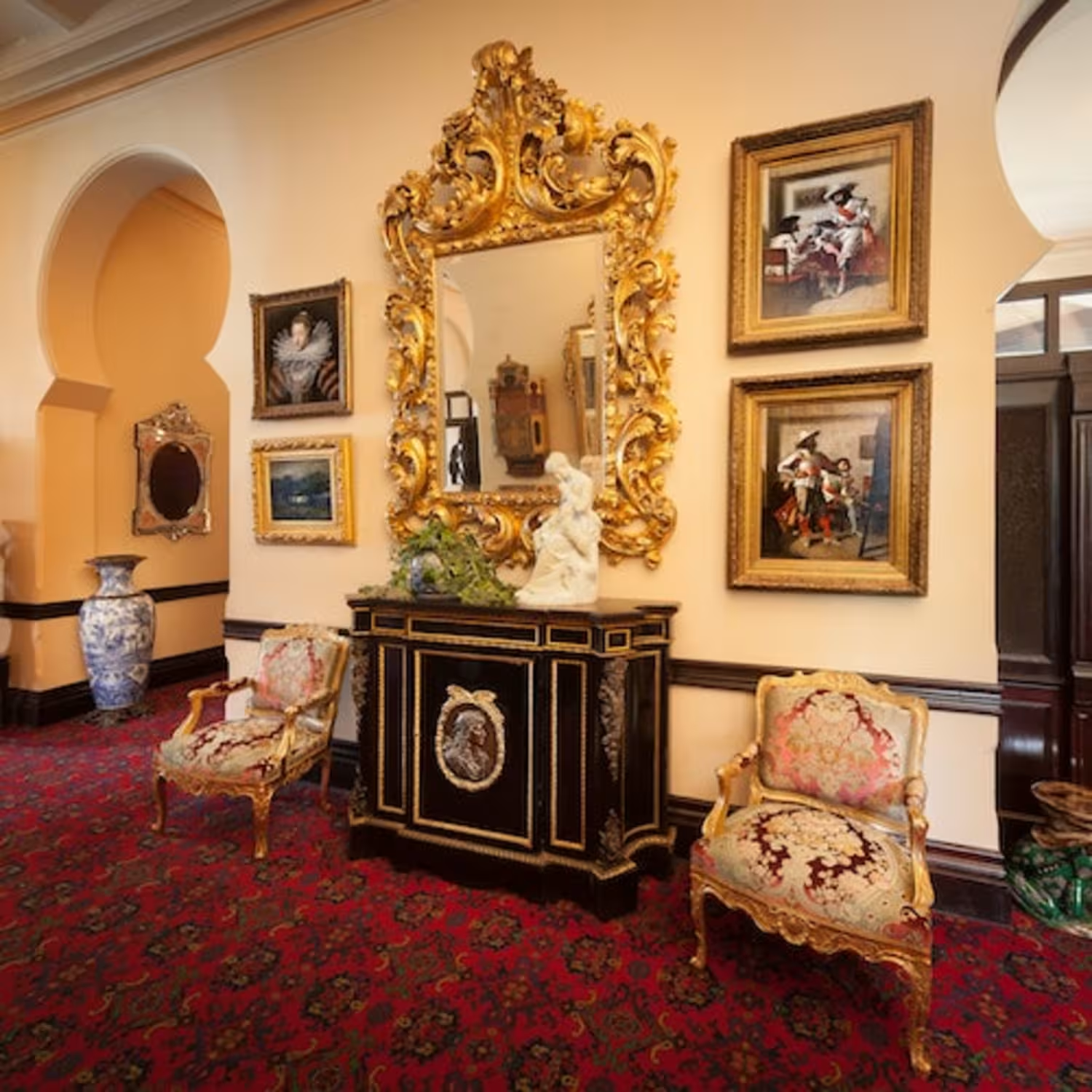
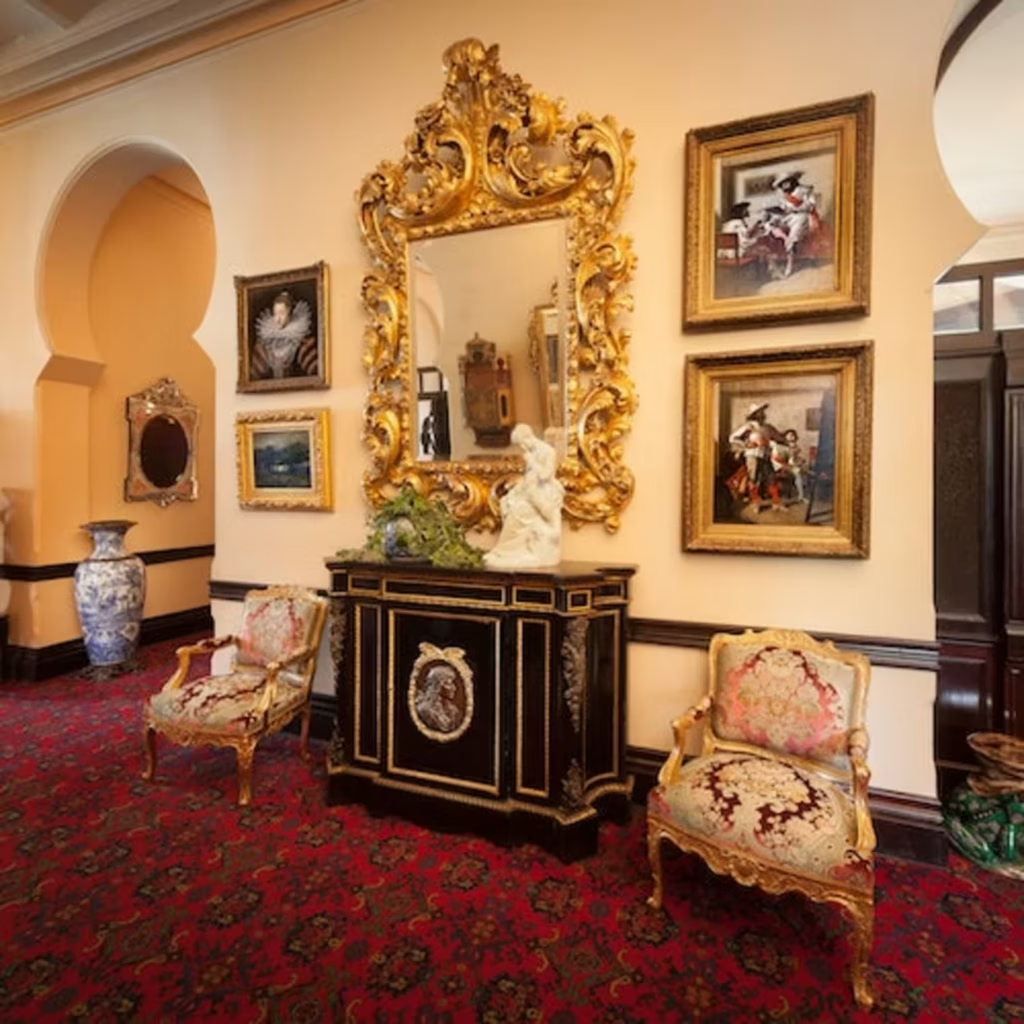
Inside the Henry B. Plant Museum

The hotel opened on February 5, 1891, with 511 rooms and suites. Its grounds once stretched to 150 acres along the river. It stood near the terminus of Plant's railroad, and guests came for the winter season.

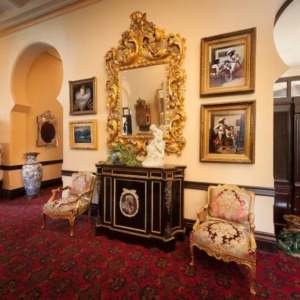
The technology was as much of a draw as the architecture. The hotel had the first electric lighting, telephones and elevator in Florida, and that elevator still works, possibly one of the oldest in continuous use in the country. Rooms cost $5 to $15 a night at a time when an average Tampa hotel charged $1.25 to $2. Henry and his wife Margaret filled the rooms with furniture and art bought on trips to Europe and Asia, and many of those pieces are what you see in the museum today.

1898: Roosevelt and the Spanish-American War
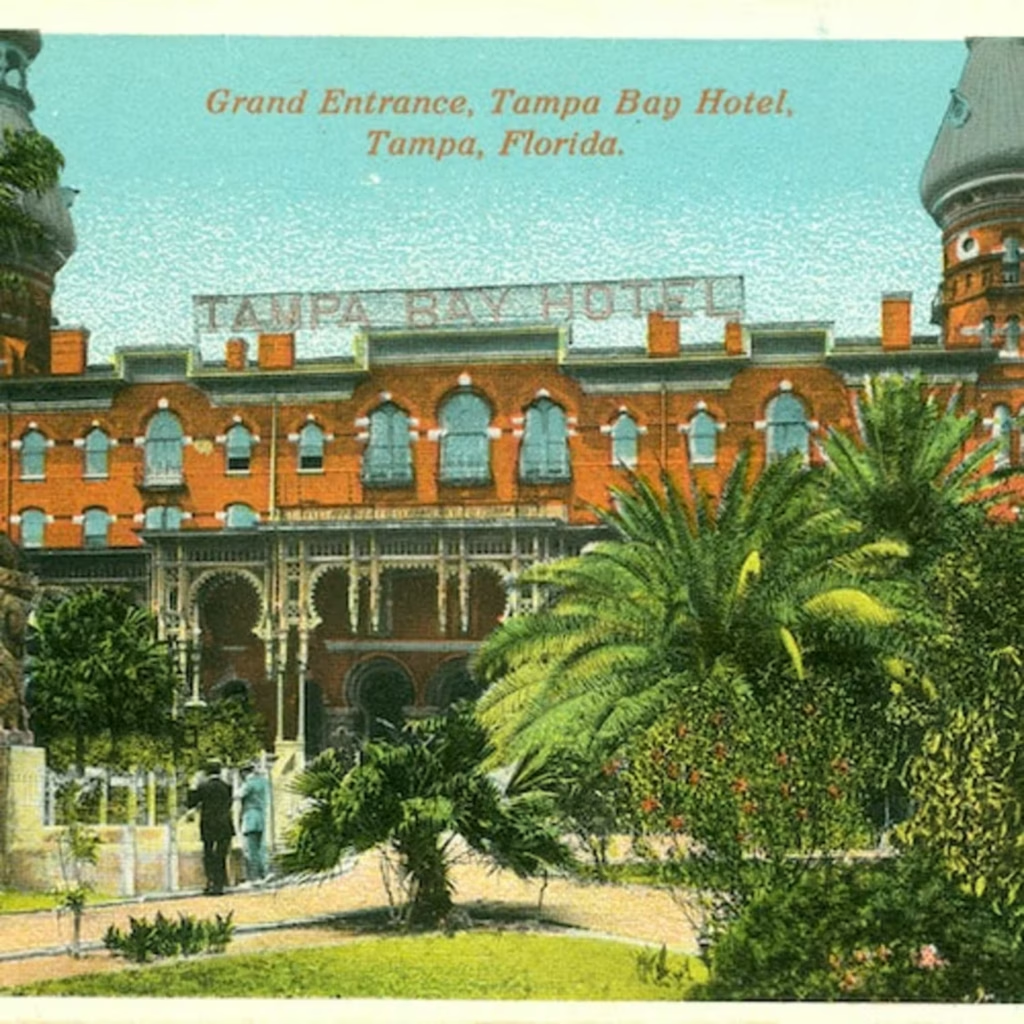
Henry B. Plant Museum exterior

In the summer of 1898 the hotel was pulled onto the world stage. Plant persuaded the U.S. military to use it as a base of operations for the Spanish-American War. Generals and senior officers stayed in the hotel to plan strategy, while enlisted men camped on the grounds.

The most famous guest of that summer was Colonel Theodore Roosevelt, who kept a suite while his Rough Riders were stationed in Tampa. For a few months, the hotel was at the centre of the war effort. Its role as a military headquarters is one of the reasons the building is a National Historic Landmark.

From hotel to university and museum

Henry B. Plant Museum

Henry Plant died in 1899, and the hotel's future became uncertain. The City of Tampa bought the property in 1905 and ran it as a hotel until 1932, when the Great Depression ended the resort era. In 1933 the building found two new uses at once: Tampa Bay Junior College, which became the University of Tampa, moved in, and the city set up the Tampa Municipal Museum in the south wing of the first floor to preserve the hotel's story.

In 1941 the city signed a 99-year lease with the university for $1 a year, leaving out the museum's wing. The museum took its current name in 1974 to honour Plant's role in developing Tampa and Florida's tourist economy. The building was added to the National Register of Historic Places in 1972, and the museum is accredited by the American Alliance of Museums.

What you see inside today

Original hotel furnishings and the European and Asian art objects collected by Henry and Margaret Plant.

Rooms presented as they were during the Gilded Age winter season, in the style of a historic house museum.

A self-guided audio tour that explains the hotel and the people who made it work, from guests to staff.

Exhibits on the late Victorian period, the start of Florida's tourist industry and the early years of Tampa.

The minarets and domes, best seen from the grounds of the University of Tampa outside.

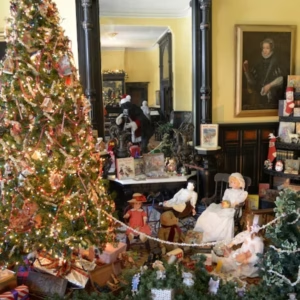
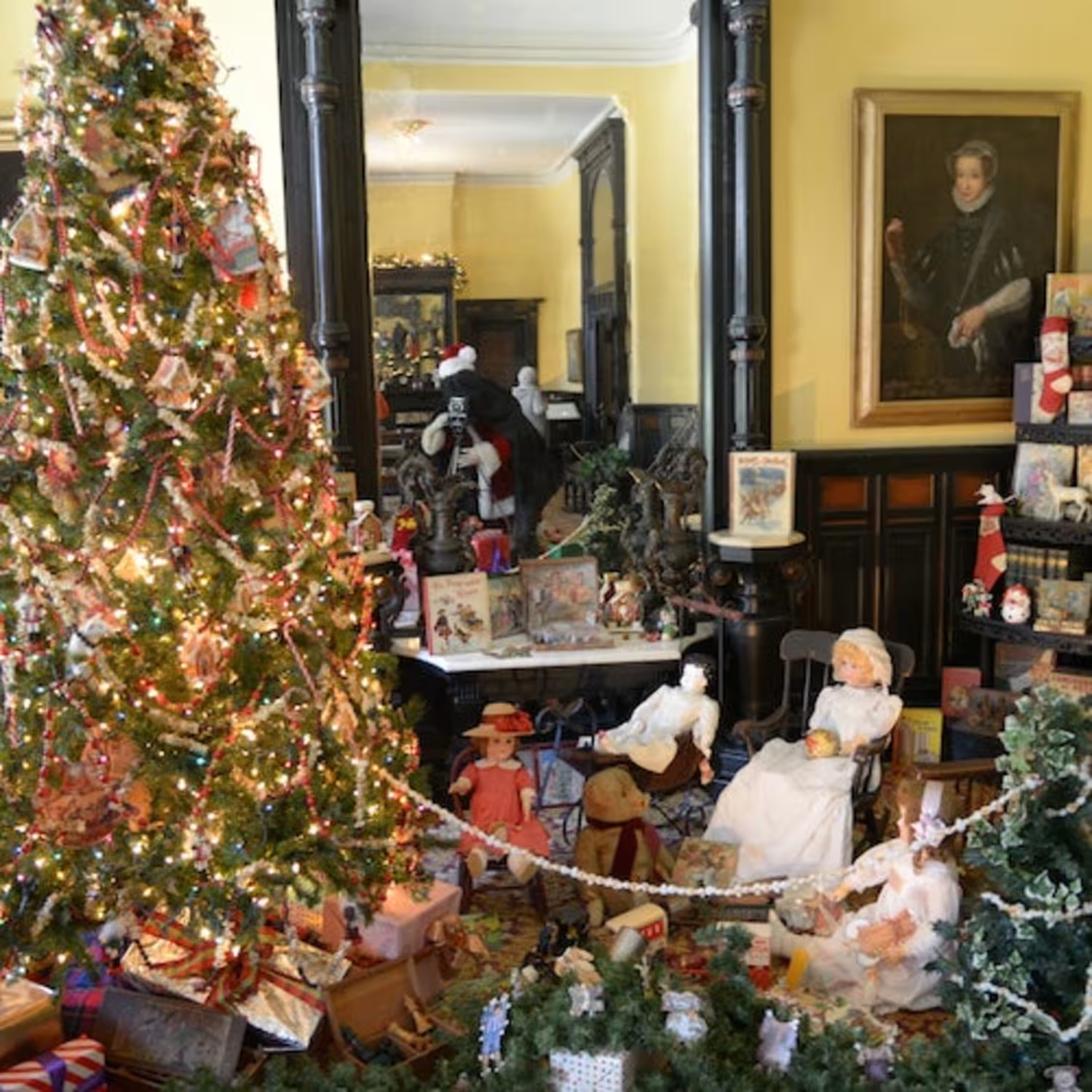
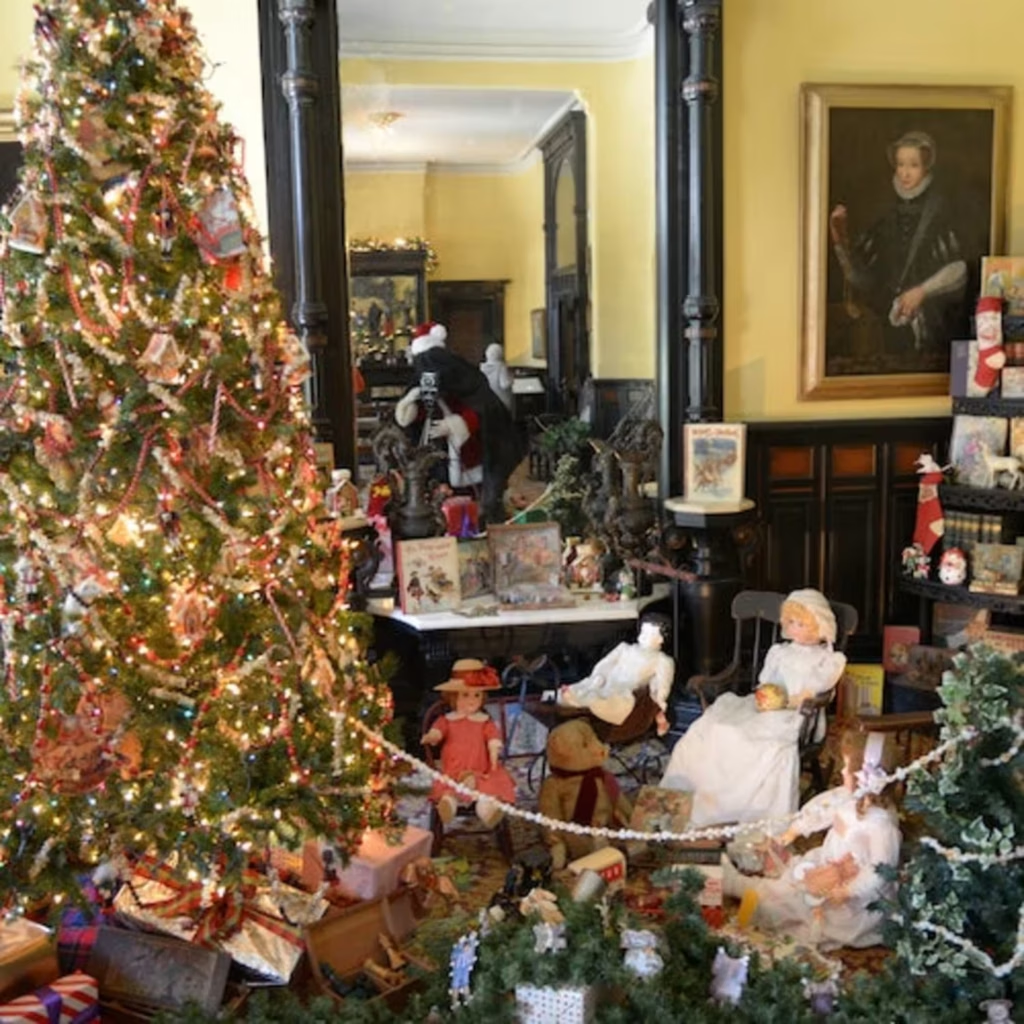
Seasonal programmes such as the Victorian Christmas Stroll, when the museum and gardens are dressed for a Victorian Christmas.

Planning your visit to the Plant Museum

The museum is in the south wing of Plant Hall, on the University of Tampa campus at 401 W. Kennedy Boulevard, across the river from downtown.

Allow time to walk round the outside of the building: the minarets and domes are part of the experience.

Book your entry ahead; see the options on our Henry B. Plant Museum ticket page.

University of Tampa students, faculty and staff enter free with a UT ID; other visitors should check the ticket options shown when they book.

Driving, bus, cycling and water taxi options are in Plant Museum directions.

Check the Plant Museum hours before you go, as the museum does not open every day.

Quick tips before you go

Use the audio tour: the stories behind the rooms are the highlight.

Look for the original elevator, the first in Florida.

Photograph the minarets from the riverside for the classic view.

Combine the visit with a walk along the Tampa Riverwalk.

Ask about the Victorian Christmas Stroll if you visit in the holiday season.

Combine the Plant Museum with more of Tampa

The Plant Museum pairs well with other history and family museums in the city. Browse museums in Tampa, visit the Glazer Children's Museum across the river, or check the museum opening hours. When you are ready, choose your entry on the Henry B. Plant Museum ticket page.

Tampa Bay Hotel and Plant Museum: FAQs

What was the Tampa Bay Hotel?

It was a luxury winter resort built by railroad magnate Henry B. Plant between 1888 and 1891. It opened on February 5, 1891, with 511 rooms and suites, and its south wing is now the Henry B. Plant Museum.

Who designed the Tampa Bay Hotel?

Architect J.A. Wood, who also designed the Old Hillsborough County Courthouse. He gave the hotel its Moorish Revival style with six minarets, four cupolas and three domes.

How much did the Tampa Bay Hotel cost to build?

It cost over $3 million to build in the late 1880s, a huge sum at the time.

Did Teddy Roosevelt stay at the Tampa Bay Hotel?

Yes. In 1898 the hotel served as a military headquarters for the Spanish-American War, and Colonel Theodore Roosevelt kept a suite while his Rough Riders were stationed in Tampa.

When did the Tampa Bay Hotel close?

The City of Tampa bought the hotel in 1905 and ran it until 1932, during the Great Depression. In 1933 the building became home to the future University of Tampa and the city's museum.

Is the Henry B. Plant Museum part of the University of Tampa?

The museum occupies the south wing of Plant Hall, the former hotel, which is the main building of the University of Tampa. The rest of the building is used by the university.

Why is it called the Henry B. Plant Museum?

The museum opened in 1933 as the Tampa Municipal Museum and was renamed in 1974 to honour Henry Plant's role in developing Tampa and Florida's tourist economy.

Is the Tampa Bay Hotel a National Historic Landmark?

Yes. The building, now Plant Hall, is a National Historic Landmark, recognised in part for its role as a military headquarters in the Spanish-American War.

What can you see inside the museum?

Original hotel furnishings, European and Asian art collected by Henry and Margaret Plant, and rooms that show the hotel in its Gilded Age winter season. A self-guided audio tour explains the history.

Is the museum free for anyone?

University of Tampa students, faculty and staff enter free with a UT ID. Other visitors need a ticket; check the ticket options shown when you book.

About this guide

Sources: Henry B. Plant Museum, The Museum; The University of Tampa, Henry B. Plant Museum; Wikipedia, Henry B. Plant Museum (Tampa Bay Hotel).